Interlaken, Switzerland: The Complete Travel Guide 2026
Why Interlaken?
There are destinations that look beautiful in photographs and destinations that leave you speechless in person. Interlaken is both — and it manages the rare trick of exceeding its own hype.
Pinched between two glacier-fed lakes — the deep blue Thunersee to the west and the turquoise-green Brienzersee to the east — and set against the permanent snows of the Eiger, Mönch, and Jungfrau, Interlaken is the gateway to the Bernese Oberland: Switzerland's most dramatic alpine playground. The town itself is compact and walkable, but the surrounding region offers enough adventure, beauty, and tranquillity to fill a week without repetition.
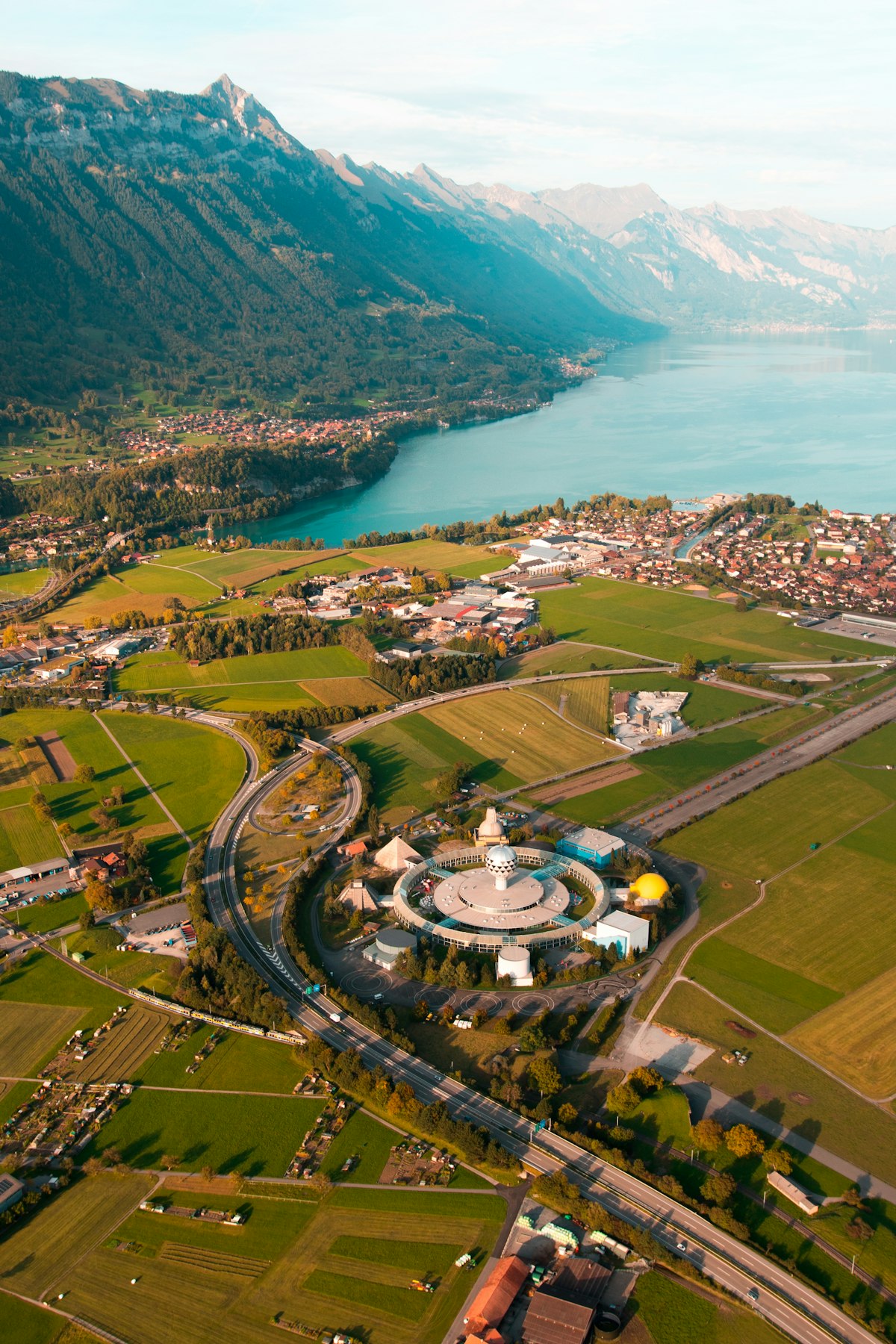
It attracts thrill-seekers who come to paraglide, skydive, and canyon-swing. It draws mountaineers bound for the Jungfraujoch. It lures couples looking for a romantic lakeside retreat. And increasingly, it's becoming the destination of choice for travellers who want Switzerland's scenery without Zurich's price tag — though Interlaken is by no means cheap, it can be done on a sensible budget with the right planning.
This guide covers everything: the best attractions, where to stay, how to get around, what to eat, hidden gems the guidebooks miss, and a realistic budget breakdown for 2026.
When to Visit
June–September is peak season. The mountains are accessible, the lakes are warm enough to swim, and Harder Kulm and the Jungfraujoch are both open. July and August are the busiest and most expensive months — book accommodation three to four months ahead.
Late May and late September–early October offer the best combination of good weather, thinner crowds, and prices 20–30% lower than peak. The mountains are still magnificent; the trails are quieter; and the golden autumn colours on the valley slopes are exceptional.
Winter (December–March) transforms Interlaken into a gateway to the Jungfrau ski region — Grindelwald, Wengen, and Mürren are all within easy reach. The town itself is quiet, prices drop significantly, and the snow-capped peaks are arguably more dramatic. The Jungfraujoch is open year-round but the experience in clear winter air is extraordinary.
Avoid mid-July to mid-August if you dislike crowds. The main promenade (Höheweg) can feel uncomfortably busy, and queues for the Jungfraujoch train can stretch to two hours.
Getting There
By Train (recommended)
Interlaken has two train stations: Interlaken West and Interlaken Ost (East). The Ost station is the primary hub for mountain trains heading into the Jungfrau region.
From Zurich: ~2 hours on the InterCity train (change at Bern). From Geneva: ~2.5 hours (change at Bern or Spiez). From Bern: ~50 minutes direct. Trains run frequently — roughly every 30 minutes on main routes.
If you're visiting from abroad, the Swiss Travel Pass (from CHF 254 for 3 days, ~$270) covers all trains including the regional lines and gives a 25% discount on the Jungfraujoch fare. For a short trip of 3–4 days, calculate whether the Pass pays off versus point-to-point tickets.
By Car
Interlaken is reachable from Zurich in about 1.5 hours on the A8 motorway. Parking in town costs CHF 2–3 per hour; most hotels have parking for CHF 15–25 per night. Note that the villages in the Jungfrau region (Murren, Wengen) are car-free — you'll park and take the cable car or train.
By Air
The nearest airport is Bern (BSL/BRN, ~1 hour) for regional European flights. Zurich (ZRH) is the main international hub; Geneva (GVA) is also convenient.
Getting Around
Within Interlaken: The town centre is easily walkable — it's only about 1.5km between the two train stations along the main Höheweg promenade. Bicycles are popular and can be rented from several shops for CHF 25–35 per day.
The Interlaken Guest Card: Most hotels give guests this card free, which covers unlimited local bus and train travel between the two stations and to nearby villages. Always ask your hotel for it on arrival.
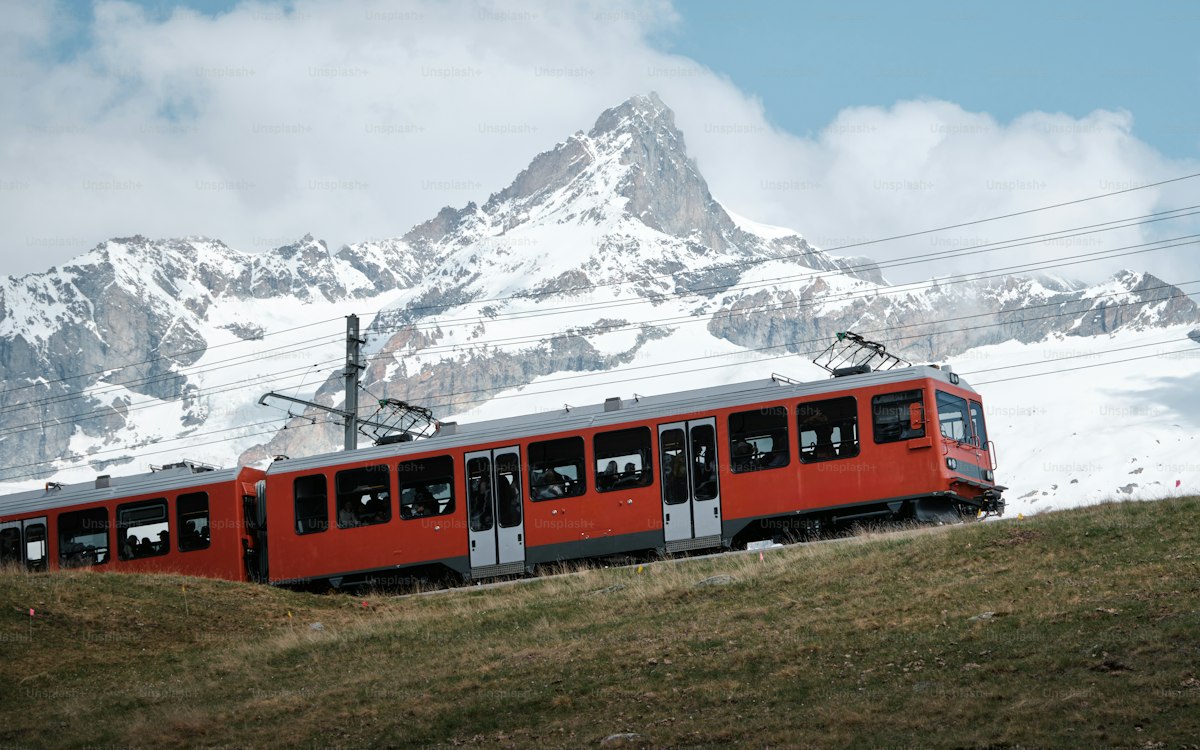
Into the mountains: The Jungfrau Railway system runs from Interlaken Ost to Grindelwald, Lauterbrunnen, Kleine Scheidegg, and ultimately Jungfraujoch. These rack railways are an experience in themselves. Buy tickets at any station; book Jungfraujoch seats a day or two ahead in summer.
Lake transport: Both lakes have scheduled boat services operated by BLS. A cruise on Lake Brienz to Brienz village (about 1 hour, CHF 14 one way) is a very worthwhile half-day trip.
Where to Stay
Interlaken has accommodation for every budget, though prices are firmly Swiss. Book 4–8 weeks ahead in summer; 2–3 weeks suffices off-season.
Budget (CHF 40–100 / $43–107 per night)
- Backpackers Villa Sonnenhof: Legendary hostel 5 minutes from the West station. Private rooms from CHF 95, dorm beds from CHF 43. Outstanding views and a sociable garden. Book well ahead.
- Interlaken Hostel: Right at Interlaken Ost, very convenient for early Jungfraujoch departures. Dorms from CHF 50.
- Wilderswil & Matten: The villages immediately outside Interlaken have B&Bs and pensions at roughly half the town-centre prices, with a 10-minute bus ride to the centre.
Mid-range (CHF 180–280 / $192–300 per night)
- Hotel Krebs: A handsome 4-star property a 3-minute walk from Interlaken West. Doubles from CHF 195, excellent breakfast included.
- Hotel du Lac: Directly on the banks of the Aare with lake views from upper-floor rooms. Doubles from CHF 220.
Luxury (CHF 400–700+ / $430–750+ per night)
- Victoria-Jungfrau Grand Hotel & Spa: The grande dame of Swiss resort hotels, open since 1865, right on the Höheweg with a direct Jungfrau backdrop from the garden. Doubles from CHF 520. The indoor pool and spa are worth the splurge.
Top Attractions
1. Jungfraujoch — Top of Europe
At 3,454 metres, Jungfraujoch is the highest railway station in Europe and one of Switzerland's most iconic experiences. The train journey from Interlaken Ost takes about 2.5 hours each way, ascending through alpine meadows, past the villages of Grindelwald and Wengen, through tunnels blasted inside the Eiger itself.
At the top: year-round snow, a glacier, the Sphinx Observatory, an ice palace carved inside the glacier, and on a clear day, views stretching to the Black Forest in Germany and Mont Blanc in France.
Price (2026): CHF 203 return (~$218) from Interlaken. Swiss Travel Pass holders get 25% off. Book morning departures — clouds typically build from noon, and the summit view is the whole point.
Tip: Dress warmly even in summer. Temperatures at the top hover around -5°C to 0°C year-round.
2. Harder Kulm — Top of Interlaken
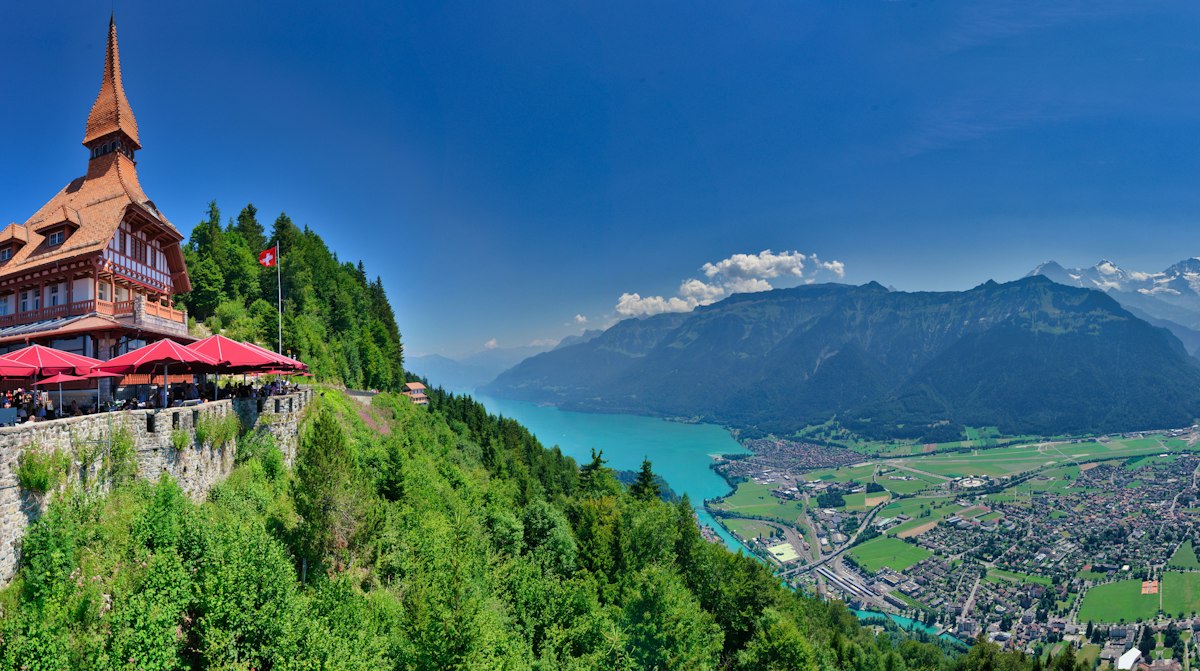
If Jungfraujoch is the headliner, Harder Kulm is the highlight that surprises everyone. The Harderbahn funicular whisks you 775 metres up in just 10 minutes to a viewpoint at 1,322m where the whole Bernese Oberland unfolds before you: Lake Thun on the left, Lake Brienz on the right, and the trio of Eiger, Mönch, and Jungfrau filling the horizon ahead.
The newly extended Two Lakes Bridge adds a glass-floored viewing platform that cantilevered out over the slope — stomach-dropping in the best way. The Panorama Restaurant at the top serves excellent Rösti and fresh trout from the lake below.
Funicular price (2026): CHF 28 return (~$30) from the valley station on the north edge of Interlaken. Swiss Travel Pass: free. Operates 3 April–29 November.
Evening rides: From 18 April through 25 October, the funicular runs until 22:00 on Fridays and Saturdays for a spectacular sunset and night panorama. These evening rides are quieter, the light is extraordinary, and the experience is genuinely romantic.
3. Lauterbrunnen Valley and Trümmelbach Falls
Twenty minutes by train from Interlaken Ost lies Lauterbrunnen — a deep, narrow glacial valley with 72 waterfalls cascading from sheer cliff walls. The most famous waterfall in the valley, Staubbach Falls, plunges 297 metres and was the inspiration for Goethe's poem Song of the Spirits over the Waters.
But the valley's real treasure is Trümmelbach Falls: ten glacial waterfalls roaring through a tunnel inside the mountain, accessible by a tunnel funicular and illuminated walkways. These falls drain the glacier meltwater from the Eiger, Mönch, and Jungfrau — 20,000 litres per second at peak flow. There's nothing quite like standing inside a mountain while a waterfall thunders past you at full pressure.
Trümmelbach Falls admission (2026): CHF 14 adult, CHF 7 child. Open May–November, 8:30–17:00 (July–August until 18:00).
4. Tandem Paragliding
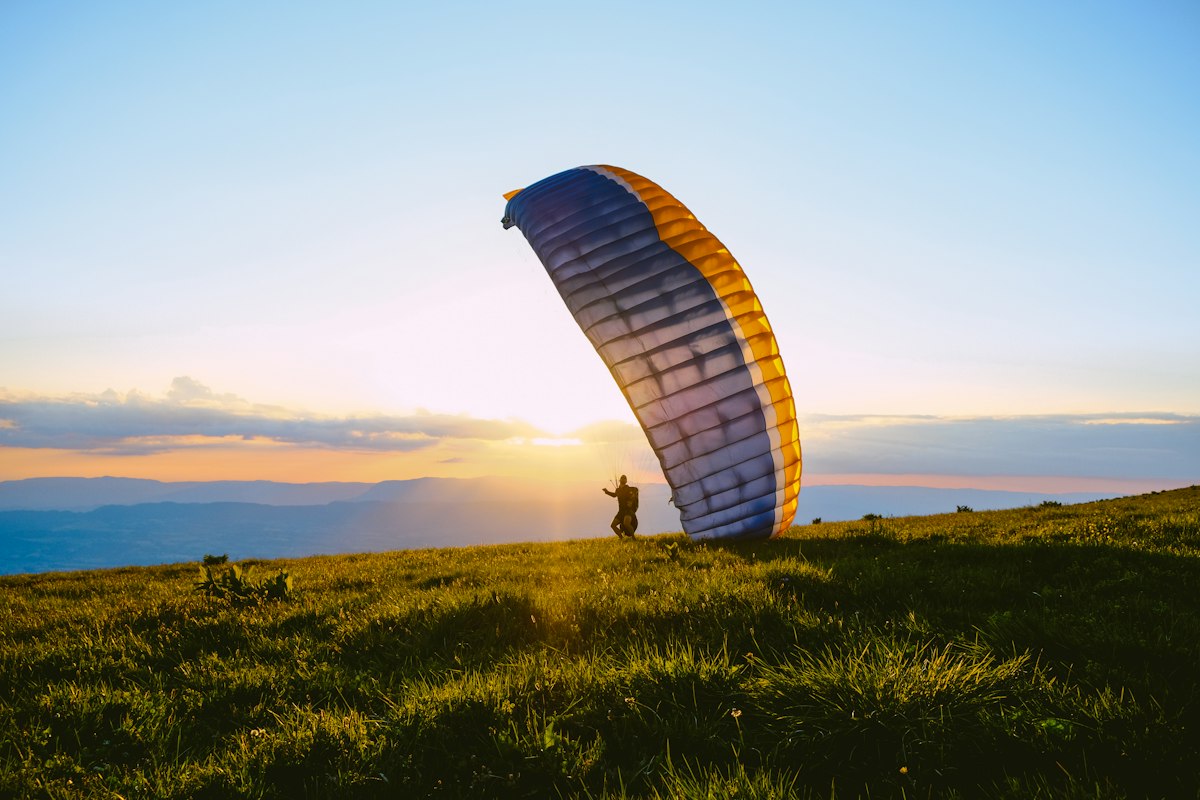
Interlaken is one of the best places in Europe to tandem paraglide. You launch from the slopes above Beatenberg or Saxeten, sail over the lakes, and land on the flat meadows in town — the whole flight takes 25–40 minutes. The views of the two lakes and the alpine panorama are extraordinary from the air.
Several operators run daily flights; prices are standardised at around CHF 170–190 per person (~$180–204). Flights operate in good weather April–October; book a day ahead. No experience required — you simply sit in a harness in front of your pilot.
What to bring: Comfortable closed-toe shoes, a light jacket (colder at altitude than on the ground), and your camera.
5. Lake Brienz and the Village of Brienz
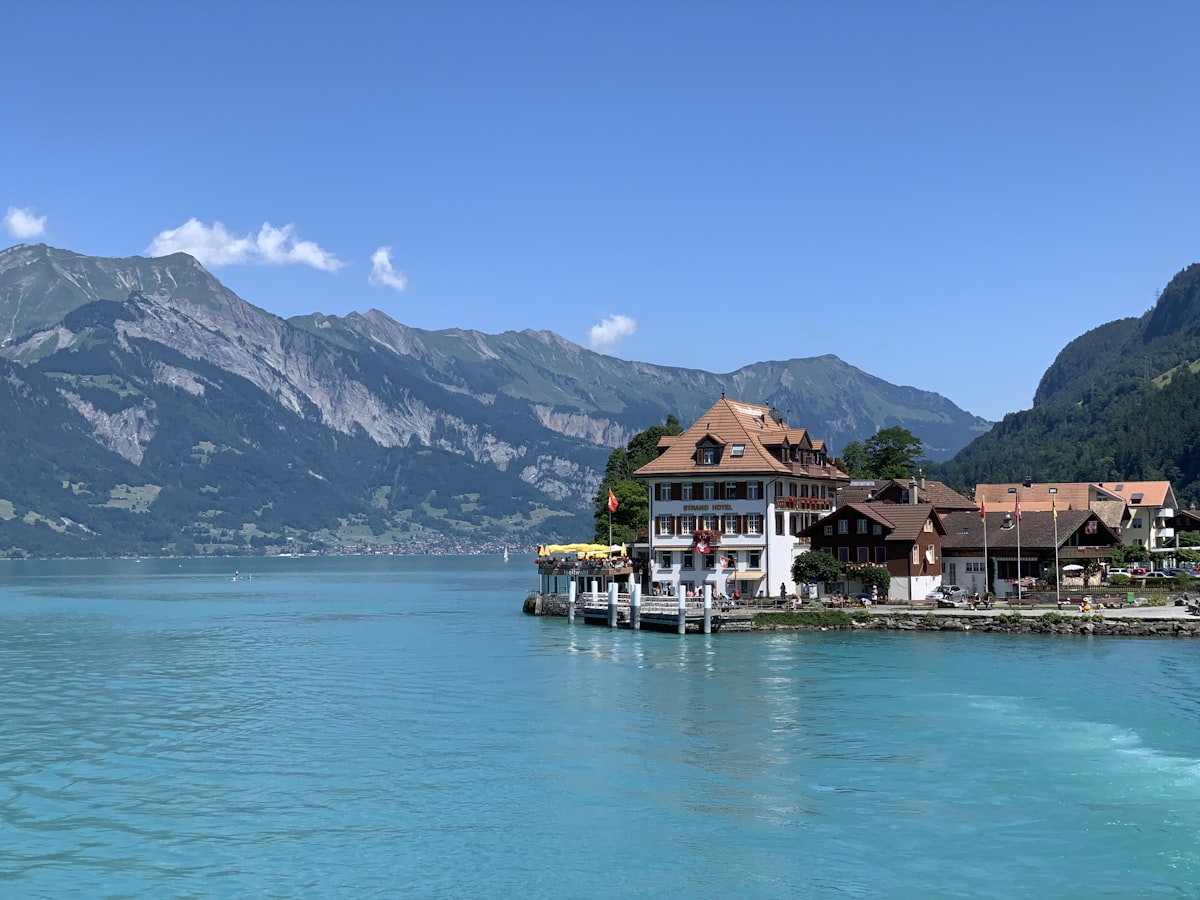
Lake Brienz is the prettier of the two lakes — a vivid turquoise-green fed by glacier meltwater, framed by wooded slopes and white peaks. The half-hour boat from Interlaken to Brienz village passes through some of Switzerland's most picturesque scenery.
In Brienz itself, visit the Brienz Rothorn Railway: a vintage steam rack railway that climbs 1,680 metres to a summit with panoramic Alpine views. The round trip takes about 3 hours (CHF 62 return). Brienz is also famous for its woodcarving tradition — the village has several workshops and a woodcarving school you can visit.
Hidden Gems
Harder Alpine Wildlife Park
Right beside the valley station of the Harderbahn funicular, this small conservation park is home to ibex, chamois, marmots, and red deer in semi-wild enclosures. It's free to enter, takes about 30 minutes to walk through, and is a wonderful warm-up before taking the funicular. Visit early morning for the best chance to spot marmots foraging above the enclosures.
Neuhaus Beach on Lake Thun
Most visitors miss Interlaken's local beach entirely. Neuhaus Beach, on the southern shore of Lake Thun, is a grassy stretch with calm, shallow water — perfect for swimming in July and August (water temperature reaches 20°C+). It's about a 10-minute bus ride from Interlaken West. Locals come here with picnics; there's a small café and pedalboat hire. No entrance fee.
St. Beatus Caves
Ten kilometres west of Interlaken on the northern shore of Lake Thun lie these extraordinary caverns. Over 14km of cave networks exist in total; 926 metres are accessible to visitors via well-lit paths. Underground lakes, stalactites, and waterfalls filling enormous chambers — it's genuinely awe-inspiring. Bus line 21 from Interlaken takes 15 minutes; the stop is right at the cave entrance.
Admission (2026): CHF 20 adult, CHF 12 child. Open 28 March–8 November, 9:00–18:00 (Friday–Saturday until 21:00).
Hohbüel Pavilion
A 20-minute uphill walk from the centre of Interlaken brings you to this quiet hilltop pavilion with unobstructed views over both lakes. There's a picnic area and barbecue spots. Almost no tourists come here — it's where Interlaken residents go on summer evenings. Find it by following the signed trail from the Interlaken West station.
Where to Eat and Drink
Interlaken's restaurant scene has improved significantly in recent years, though it still caters primarily to tourists on the main Höheweg. Wander one or two streets back for better value.
Budget (CHF 15–25 / $16–27 per meal)
- Metropole Hotel Rooftop Terrace: Not just a view — the food (salads, burgers, pasta) is surprisingly solid and the prices reasonable for a rooftop location with Jungfrau views. Try to arrive before sunset.
- El Azteca: A Mexican restaurant two blocks from the main drag that locals actually eat at. Burritos and nachos for CHF 18–22. Reliably good.
- Coop and Migros: Switzerland's two supermarket chains have cafeterias with hot meals for CHF 10–15. Coop on Höheweg is convenient and excellent value.
Mid-range (CHF 35–60 / $37–65 per meal)
- Restaurant Schuh: On the Höheweg, the classic Swiss choice. Rösti, fondue, and raclette done properly. The fondue for two (CHF 38 per person) is generous and excellent. Book ahead for dinner.
- Restaurant Gasthof Hirschen in Matten: Five minutes' walk from the centre, this traditional Beiz serves Berner Platte (a vast platter of smoked meats and sauerkraut, CHF 42) that will keep you full for 24 hours. Regulars book the window tables for the garden view.
Fine Dining (CHF 80+ / $86+ per meal)
- The Lounge & Terrasse at Victoria-Jungfrau: Elegant without being stiff. The seasonal set menus (4 courses, CHF 110) use regional produce well — local lake trout, Bernese cheese, Simmental beef. The terrace faces the Jungfrau directly.
Drinks
Swiss craft beer has come a long way. Look for Rugenbräu (brewed near Interlaken) on tap in most pubs; the Blondes Märzen is refreshing and locally beloved. A beer in a bar costs CHF 6–8.
Practical Travel Tips
Currency: Swiss Franc (CHF). Credit cards are accepted nearly everywhere, but carry CHF 50–100 cash for mountain huts, market stalls, and small stations where card machines occasionally fail.
Tipping: Not mandatory. Rounding up to the nearest CHF 5 is appreciated in restaurants; 10% is generous and well-received. No tipping expected in cafés or for taxis.
Language: Interlaken is in the German-speaking part of Switzerland. However, English is spoken everywhere — you will not struggle. A simple Grüezi (hello) and Merci vilmal (thank you) go a long way in earning goodwill.
Altitude: At 568m, Interlaken itself poses no altitude issues. However, Jungfraujoch at 3,454m can cause mild altitude sickness in some visitors — headaches, light-headedness, nausea. Take the ascent slowly, drink water, avoid alcohol on the summit, and descend if symptoms worsen.
Weather: Alpine weather changes fast. Even in July, bring a waterproof layer and a warm mid-layer. Mountain forecasts (available on MeteoSwiss) are more reliable than general forecasts.
Mobile data: A Swiss SIM or an EU/international roaming plan works throughout the town and valley floor. Coverage is patchy deep in mountain valleys and in tunnels.
Plug type: Switzerland uses type J plugs (3 round pins). EU type C plugs usually fit but feel loose; bring a universal adapter.
Pharmacy: The Pharmacie de l'Etoile on Höheweg is open daily including Sundays — useful for altitude sickness tablets (Acetazolamide) if you want preventative medication before Jungfraujoch.
Sample 3-Day Itinerary
Day 1: Arrival and Harder Kulm
- Morning: Arrive by train, check into your hotel, walk the Höheweg promenade from West to Ost station.
- Afternoon: Take the Harderbahn funicular to Harder Kulm. Walk the Two Lakes Bridge, lunch at the Panorama Restaurant.
- Evening: Descend before sunset (or stay for the evening light if visiting Friday/Saturday). Dinner at Restaurant Schuh — fondue to get into the Swiss spirit.
Day 2: Jungfraujoch Day Trip
- Early morning: Depart Interlaken Ost at 07:45 to beat the clouds. Take the rack railway through Grindelwald to Kleine Scheidegg, then up inside the Eiger to Jungfraujoch.
- At the summit: Sphinx Observatory, the glacier walk, the ice palace. Allow 2 hours at the top.
- Afternoon: Descend to Grindelwald; take a short walk in the village. Take the train back to Interlaken via a different route (Lauterbrunnen) for variety.
- Evening: Rest. Light dinner at El Azteca or the Metropole terrace.
Day 3: Lauterbrunnen Valley and Lake Brienz
- Morning: Train to Lauterbrunnen (20 min). Visit Trümmelbach Falls (90 min). Walk through the village and see Staubbach Falls.
- Afternoon: Return to Interlaken Ost, then take the boat across Lake Brienz to Brienz village (50 min). Walk the lakeside promenade, visit a woodcarving workshop.
- Evening: Boat back to Interlaken. Farewell dinner with a view.
Optional Day 4 additions: Paragliding (morning slot, book 48h ahead), St. Beatus Caves combined with a swim at Neuhaus Beach on Lake Thun.
Budget Breakdown
All figures per person per day in CHF / USD:
| Category | Budget | Mid-Range | Splurge |
|---|---|---|---|
| Accommodation | CHF 50 (dorm) | CHF 120 (hotel room) | CHF 350+ (grand hotel) |
| Food & drink | CHF 35 | CHF 65 | CHF 120+ |
| Local transport | CHF 0 (Guest Card) | CHF 5 | CHF 5 |
| Activities | CHF 30 (one/day) | CHF 80 (incl. one big trip) | CHF 160 (Jungfraujoch + more) |
| Daily total | ~CHF 115 | ~CHF 270 | ~CHF 635+ |
Single big-ticket costs (2026):
- Jungfraujoch return from Interlaken: CHF 203 (~$218)
- Harder Kulm funicular: CHF 28 (~$30)
- Tandem paragliding: CHF 170–190 (~$180–204)
- Lake Brienz boat (Interlaken–Brienz–Interlaken): CHF 28
- Trümmelbach Falls: CHF 14
- St. Beatus Caves: CHF 20
Swiss Travel Pass (3-day, 2nd class): CHF 254 (~$272). Covers all trains, buses, boats, and gives free Harder Kulm + 25% off Jungfraujoch. If you plan to use trains heavily and visit Jungfraujoch, it pays for itself.
5-day total budget estimate:
- Budget traveller (hostel, self-catering lunches, one mountain trip): CHF 600–750 (~$640–800)
- Mid-range traveller (hotel, restaurant dinners, Jungfraujoch + Harder Kulm + paragliding): CHF 1,400–1,800 (~$1,500–1,930)
Final Thoughts
Interlaken rewards the curious traveller. Yes, the Jungfraujoch is magnificent and worth every franc if the sky is clear. But the moments that stay with you are quieter: watching mist roll off Lake Brienz at dawn, the cheese and wine and laughter at a fondue dinner, the view from Hohbüel Pavilion with half the town below you and not a single other tourist in sight.
Switzerland is expensive, but Interlaken is the place where the price-to-scenery ratio makes most sense in the whole country. Spend on the right things — a clear-sky Jungfraujoch day, one paragliding flight, a good dinner — and trim where it doesn't matter (supermarket lunches are genuinely fine here, and hostels are excellent quality).
Come in late June or early September for the best of everything: the mountains, the weather, the crowds, and the budget. And book your Jungfraujoch train early in the morning — the Alps wait for no clouds.