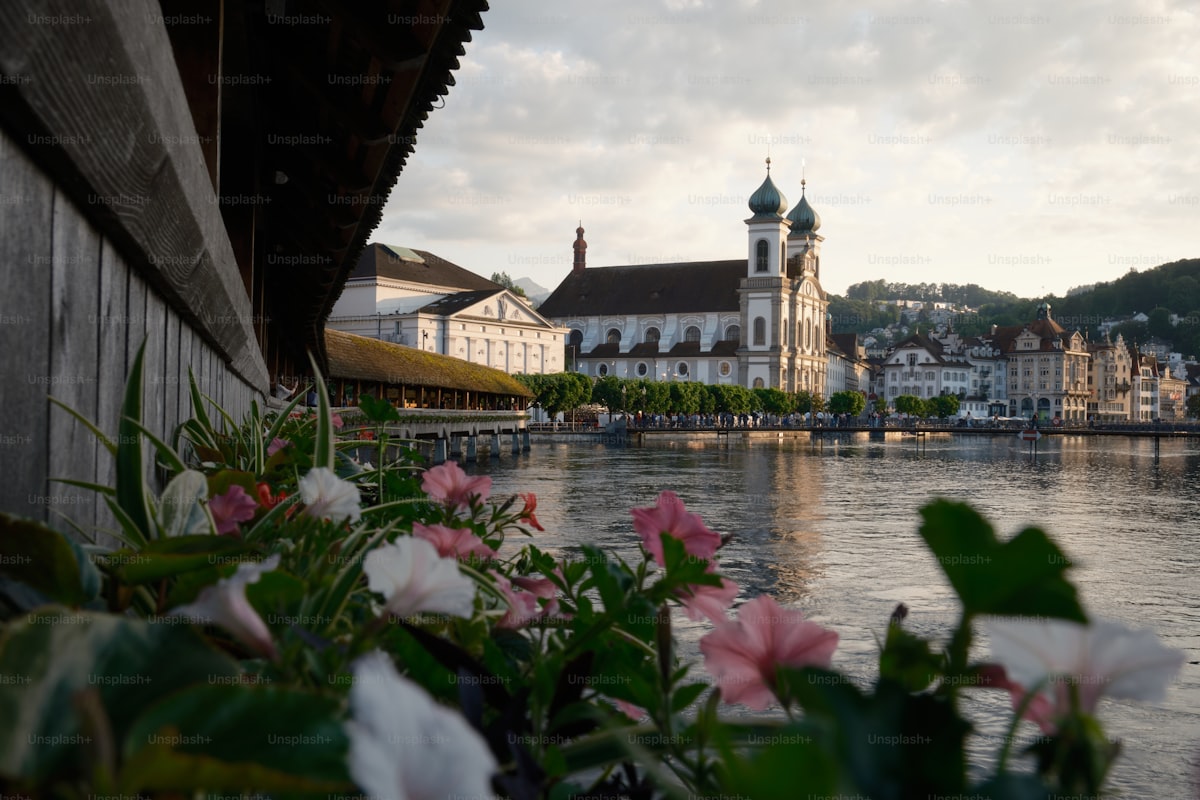
Lucerne, Switzerland: The Complete Travel Guide 2026
Why Lucerne?
There is a moment, usually on the old wooden planks of the Kapellbrücke at first light, when Lucerne makes its case without saying a word. The covered bridge arcs over the Reuss River, the Water Tower stands sentinel beside it, Mount Pilatus looms behind a veil of morning mist, and the reflection in the water below is almost too perfect to be real. Switzerland is full of beautiful places, but Lucerne has the rare quality of feeling both grand and intimate — a city of 85,000 people that carries itself with the unhurried confidence of somewhere that knows it does not need to compete.
It sits at the northwestern tip of Lake Lucerne, hemmed in by pre-Alpine peaks that turn every view into a postcard. The medieval old town (Altstadt) is largely pedestrianised, the lake is clean enough to swim in, and the mountains are not just a backdrop — you can be on top of Mount Pilatus or Mount Rigi within two hours of checking into your hotel. Add one of the finest classical music festivals in Europe and a remarkably manageable size (you can walk almost everywhere), and Lucerne becomes one of the strongest cases for Switzerland in a single city.
When to Visit
Spring (April–June) is arguably the finest time. Wildflower meadows cover the lower Alpine slopes, the Lucerne Festival Spring runs in late March, crowds are thin, and the mountain excursions are fully operational by mid-May. Temperatures hover between 10°C and 20°C — cool, bright, and perfect for walking.
Summer (July–August) brings the Lucerne Festival Summer (mid-August to mid-September 2026), lake swimming, and maximum crowds. Hotel prices spike 40–60% above winter rates. Book accommodation months ahead.
Autumn (September–October) offers crisp air, golden light on the lake, and noticeably quieter streets once the festival season winds down. The mountains remain accessible until mid-October.
Winter (November–February) is magical but cold. The Light Festival Lucerne Lilu runs 15–25 January 2026, and Lucerne Carnival (the city's answer to Basel's famous Fasnacht) fills the streets 7–17 February 2026 with masked processions and unrestrained chaos. Hotel prices are at their lowest.
Getting There
By train from Zurich Airport: The fastest and easiest route. Take the direct train from Zurich Airport to Lucerne — journey time approximately 1 hour, fares from around USD $25 on the SBB (Swiss Federal Railways) website. If you are already in Zurich city, the journey is just 41 minutes and tickets start from USD $11 on Omio or Rail Europe.
From Bern: Around 1 hour by direct train, from approximately USD $27.
From Geneva: 2 hours 48 minutes by train, from approximately USD $54. Book ahead on sbb.ch for the best fares.
By air: Zurich Airport (ZRH) is the closest international hub, 1 hour by rail. EuroAirport Basel-Mulhouse-Freiburg is an alternative for European connections.
Getting Around
Lucerne's compact old town is entirely walkable — Chapel Bridge, Lion Monument, and the Musegg Wall are all within a 15-minute walk of the main train station.
Buses (VBL network): A single 1-hour ticket costs CHF 4.10; a day pass for Zone 10 (the city) is CHF 8.20. Six bus lines cover the city and nearby towns.
Lucerne Travel Pass: Overnight guests at most Lucerne city hotels receive complimentary local transport — buses, trains, and boats within the city zones. Ask at check-in.
Tell Pass (3-day): Around CHF 150–160 for unlimited travel on public transport, boats, and mountain railways across Central Switzerland, including half-price or free entry to many attractions. Outstanding value for a 3-day visit.
Boats: Lake Lucerne Navigation Company (SGV) runs a network of historic paddlesteamers and modern vessels across the lake. A 2nd-class day ticket starts at CHF 53 in winter and CHF 86 in summer; standard routes are included free with the Swiss Travel Pass and Lucerne Travel Pass.
Mountain transport: Mt. Pilatus Golden Round Trip (boat + cogwheel train + cable car) costs CHF 119.80 per person in 2nd class. Mt. Rigi day ticket is CHF 84. Both are roughly half-price with the Swiss Travel Pass.
Where to Stay
Old Town / Altstadt
The most atmospheric location, putting Chapel Bridge and the waterfront seconds from your door. Expect to pay EUR €180–€510 per night for a mid-range to upscale hotel. The average Old Town hotel runs around EUR €257/night.Tribschen (Lakeside Peninsula)
A peaceful residential neighbourhood 10 minutes south of the centre, where Richard Wagner lived and composed between 1866 and 1872. Accommodation runs 15–20% cheaper than Altstadt, and the lakeside setting is beautiful.Bruch (Northeast of Old Town)
Lucerne's up-and-coming artsy district — hip cafés, independent boutiques, and a bohemian atmosphere without the tourist premium. A good pick for repeat visitors who want something beyond the postcard.Budget Options
- Hostel dorms: CHF 35–65/night (average CHF 42)
- Airbnb one-bedroom: CHF 150–300/night (peak summer CHF 200–300, low season CHF 130–170)
Note: All Lucerne hotels charge a city tourist tax of CHF 4.44 per night — this is standard and not a surcharge.
Top Attractions
Chapel Bridge (Kapellbrücke)
Europe's oldest surviving wooden covered bridge dates from 1333, and it remains the defining image of Lucerne. The 170-metre covered walkway is hung with a series of 17th-century triangular paintings depicting key moments in Swiss and Lucerne history. Walk it at dawn when the bridge is empty and the water is still.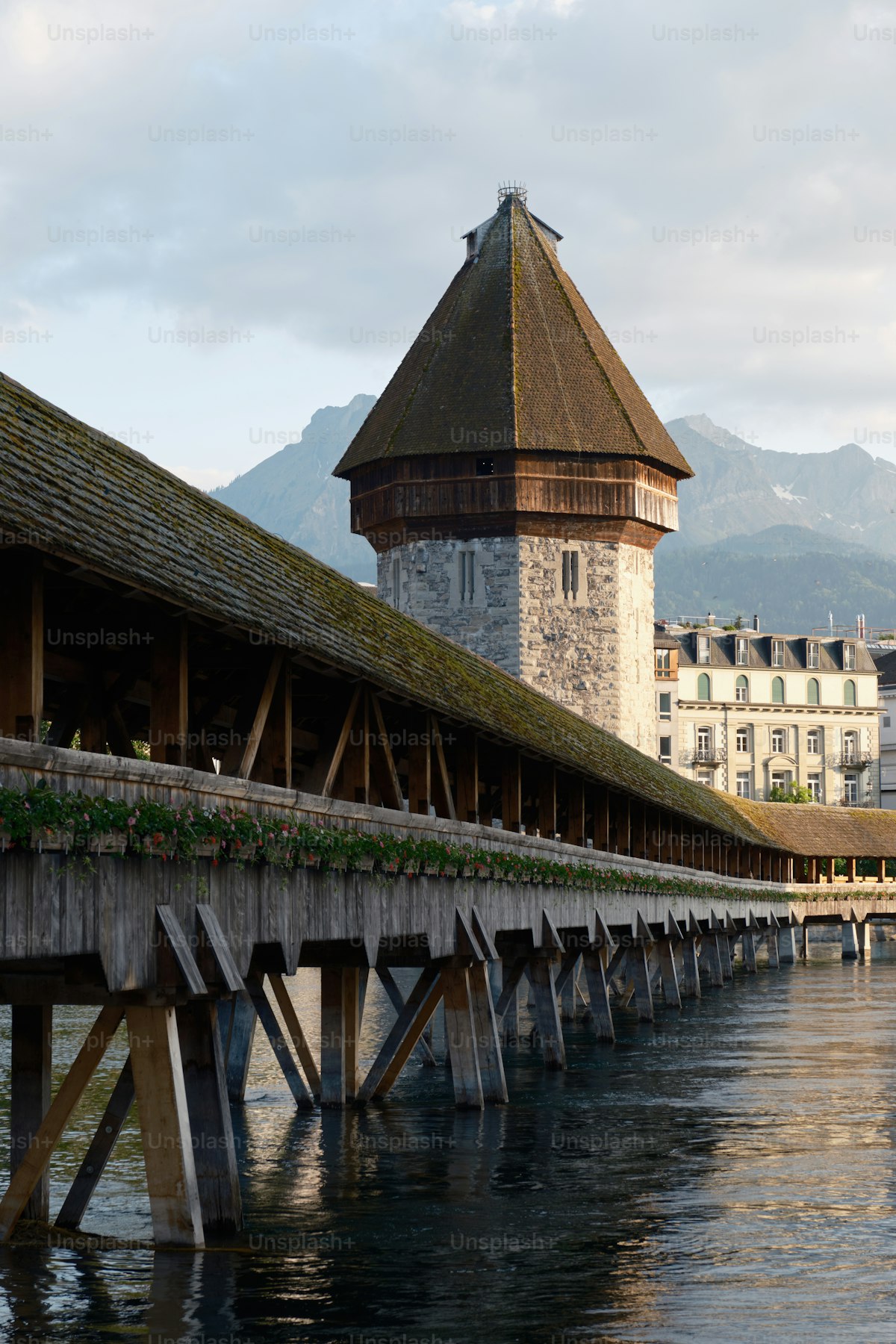
Hours: Open 24/7, year-round. Admission: Free.
Lion Monument (Löwendenkmal)
Mark Twain called it "the most mournful and moving piece of stone in the world." The dying lion carved directly into a sandstone cliff in 1821 commemorates the Swiss Guards who fell defending the Tuileries Palace in Paris in 1792. It is small, easy to miss, and utterly unforgettable. Allow 20 minutes.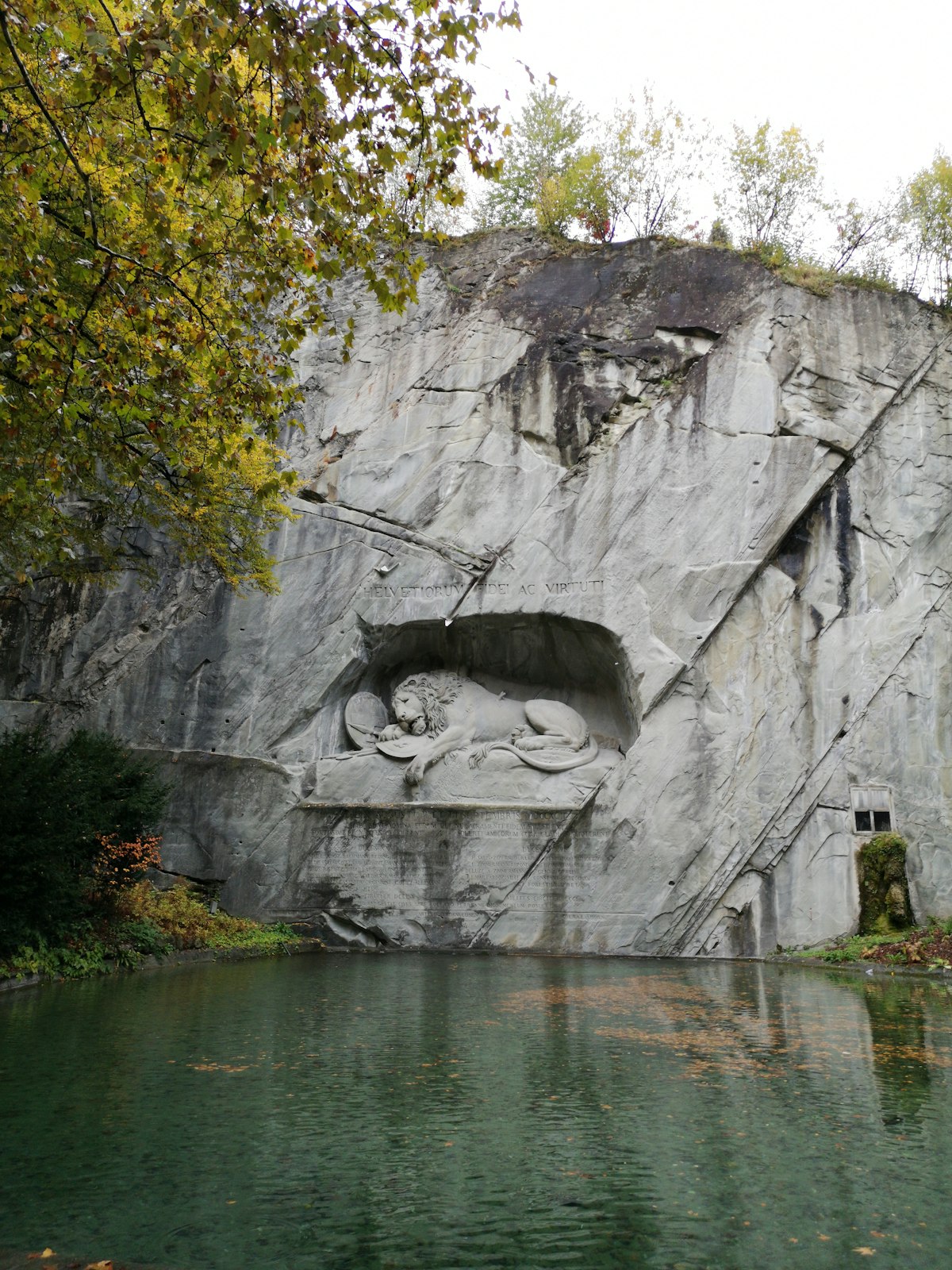
Hours: Open 24/7. Admission: Free.
Musegg Wall
Nine medieval towers and a stretch of city walls have been preserved almost intact since the 14th century — a rarity in Europe. Four towers are open to visitors from April 1 to November 1 (8:00 AM–7:00 PM, free entry). Climb the Zyt Tower (home to Lucerne's oldest clock, built in 1535) for panoramic views of the old town, lake, and Alps. The quietest stretch of wall, away from the main entrance, is one of Lucerne's best slow-travel discoveries.Mount Pilatus
The dragon-haunted mountain that dominates Lucerne's southern skyline reaches 2,132 metres. The classic approach is the Golden Round Trip: take a boat from Lucerne to Alpnachstad (May–October), ride the world's steepest cogwheel railway to the summit, and descend by cable car via Fräkmüntegg back to Kriens, then bus to central Lucerne. The views — across 73 Alpine peaks and the full length of Lake Lucerne — are extraordinary.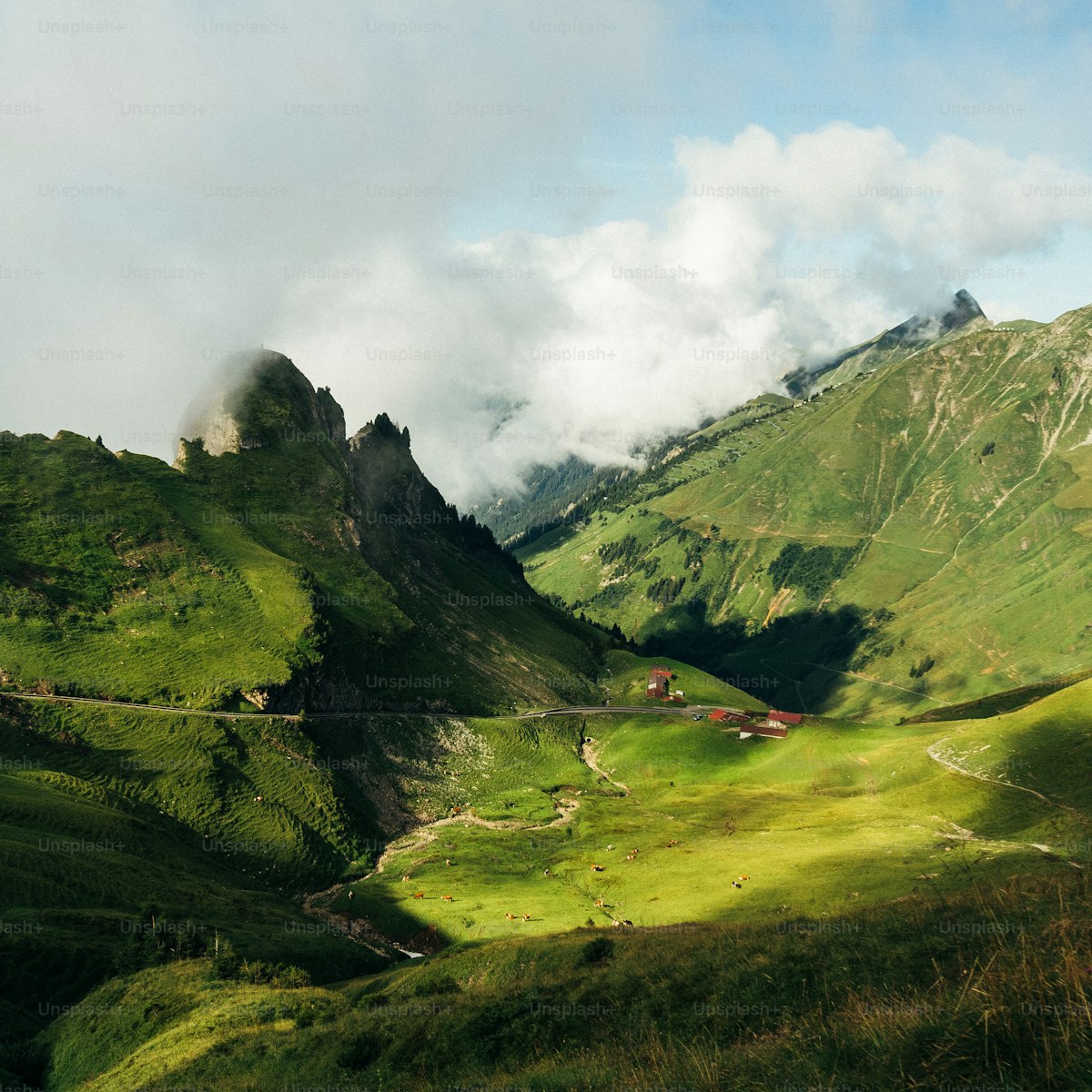
Season: Mid-May to mid-October for the full Golden Round Trip. Cable car operates year-round. Price: Golden Round Trip CHF 119.80 (2nd class); cable car round trip CHF 64 adults. Half-price with Swiss Travel Pass.
Important 2026 note: The Lucerne–Alpnachstad boat service is suspended October 20, 2025 – May 10, 2026. Before this date, start the round trip from Kriens (cable car up, cable car down) or join a guided tour.
Mount Rigi — "Queen of the Mountains"
Rigi is a different experience from Pilatus — gentler, pastoral, with panoramic views that stretch to the Black Forest on clear days. Reached by boat to Vitznau then cogwheel railway, or by cable car from Weggis. A full-day Rigi excursion including swimming at Weggis, the cogwheel railway, and a long lunch at the summit restaurant is one of Switzerland's great slow days.Day Ticket: CHF 84 adult (includes unlimited travel on all Rigi Railways and cable cars). Children under 16 travel free with an adult. Swiss Travel Pass holders ride free.
Lake Lucerne Boat Trip
A cruise on Lake Lucerne is not a tourist-trap boat ride — it is genuine Swiss public transport on some of Europe's most spectacular water. The lake is ringed by limestone peaks, forested slopes, and scattered villages accessible only by boat or narrow mountain road. The historic paddle steamer Gallia (built 1913) runs a fine-dining cruise from May 15 to September 15, 2026 (CHF 420–444 per person).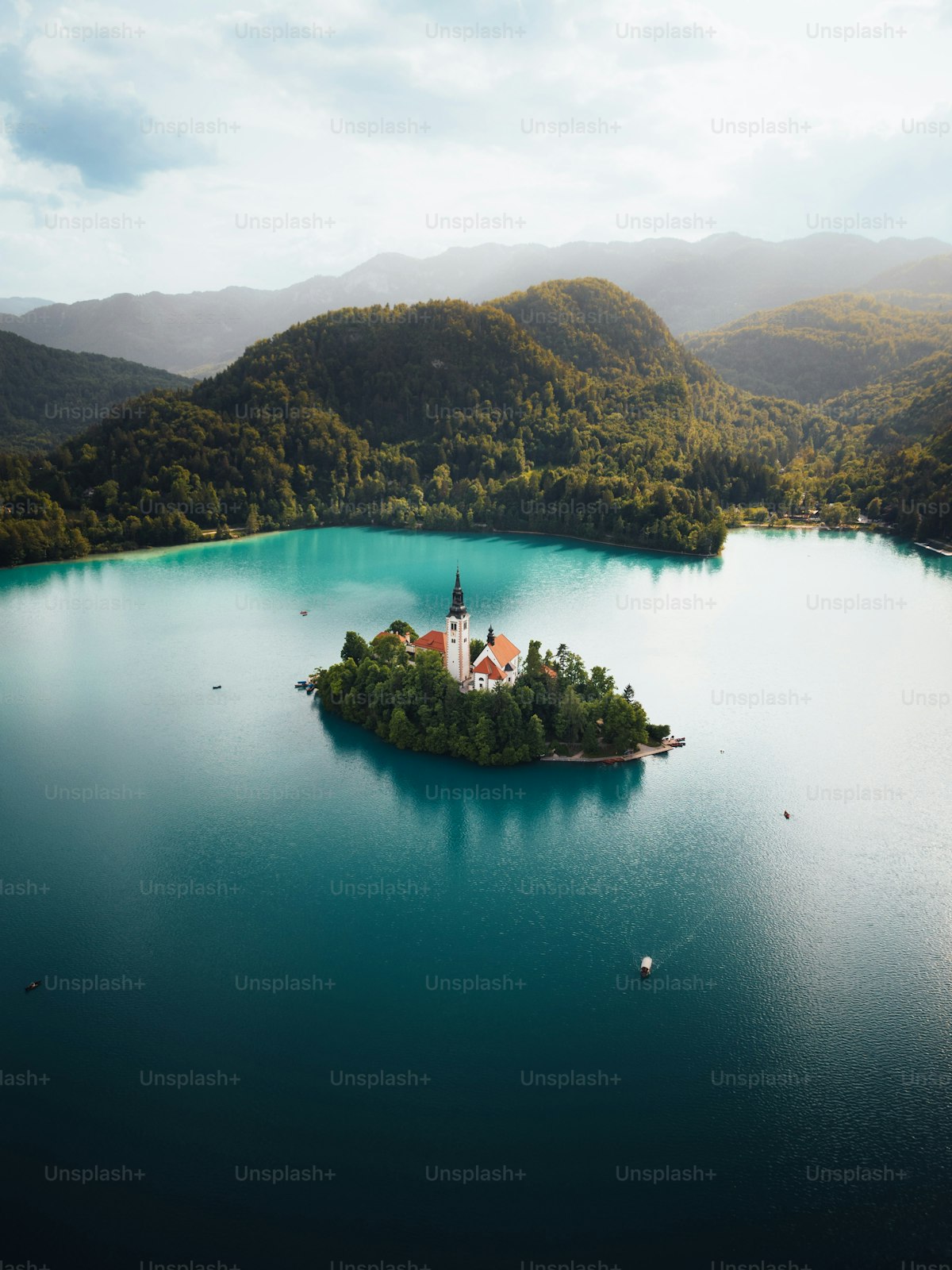
For a budget option, take any scheduled boat east toward Brunnen or Flüelen and stop wherever catches your eye — a 2nd-class day ticket covers unlimited travel for CHF 53–86.
Swiss Museum of Transport (Verkehrshaus)
Switzerland's most-visited museum is a legitimate full-day destination. Six halls cover road, rail, aviation, space, and telecommunications, with hands-on simulators that genuinely delight adults as much as children. The on-site IMAX cinema and Swiss Chocolate Adventure are separate ticketed attractions.Hours: 10:00 AM–6:00 PM (summer), 10:00 AM–5:00 PM (winter). Admission: Adults CHF 37, youth (6–16) CHF 19, family ticket CHF 79.
Rosengart Collection
Sixty Paul Klee works and a generous selection of Picasso, Miró, and Monet in an intimate, unhurried setting. Angela Rosengart, now in her 90s, was a personal friend of Picasso and a key European art dealer — the collection reflects genuine relationships, not financial acquisitions.Hours: April–October 10:00 AM–6:00 PM; November–March 11:00 AM–5:00 PM. Admission: Adults CHF 20, seniors CHF 18, students CHF 10.
Hidden Gems
Ufschötti Park is where Lucerne residents actually spend summer afternoons — a grassy lakeside park with tree shade, a small beach for swimming, pétanque pitches, and café kiosks. Walk 15 minutes west along the lake from the station and you will find it. It costs nothing and feels nothing like the tourist waterfront.
Richard Wagner Museum (Villa Tribschen) sits on a promontory jutting into the lake south of the centre. Wagner composed Siegfried Idyll here and hosted Nietzsche as a regular guest. The lakeside setting and intimate exhibition scale make it a far more personal experience than the major museums.
Helvetiaplatz Market (Tuesdays and Saturdays, 7:00 AM–1:00 PM) draws Lucerne regulars for fresh produce, regional cheeses, hand-smoked meats, and artisanal goods. It is 10 minutes by bus from the centre and almost entirely tourist-free.
Meggenhorn Castle (Meggen, 15 minutes by bus from central Lucerne plus a 15-minute uphill walk) offers panoramic views of the full sweep of Lake Lucerne with Mount Rigi, Bürgenstock, and Pilatus all visible at once. Almost no one makes the effort. It costs nothing.
Brasserie Bodu, tucked behind the Reuss River in a narrow alley near the town hall, is a French bistro that locals have been using for decades. The rabbit terrine and lake fish dishes are excellent. Book ahead.
Where to Eat and Drink
Budget (CHF 14–20 per meal)
The two Coop City supermarket restaurants in the city centre offer hot meals, salads, and soup from CHF 10–15. Sternen Grill at the train station does Swiss sausage with rösti for around CHF 18. Public drinking fountains across Lucerne provide free, clean drinking water — there are over 200 in the city.Mid-Range (CHF 35–70 per person)
Wirtshaus Taube (Burgerstrasse 3) is a traditional Swiss Beizli — dark wood, hanging hams, lake perch in butter sauce — that has fed Lucerne locals since 1892. A main course runs CHF 35–45.Bam Bou at the Hotel Schweizerhof serves inventive modern Swiss cuisine in an art-deco room overlooking the lake. Budget CHF 50–70 per person without wine.
Brasserie Bodu (Kornmarkt 5): rustic French classics — moules frites, croque monsieur, steak au poivre — for CHF 38–55 per person.
Fine Dining (CHF 100+ per person)
Lucerne has several excellent fine-dining tables, particularly in the grand lakefront hotels (Schweizerhof, Palace). Expect CHF 120–180 per person for a full tasting menu with wine pairing.Drinks
A pint of local lager (Cardinal is the regional Lucerne beer) costs around CHF 8–9. A glass of wine is CHF 10–15. Coffee runs CHF 4–6.Practical Travel Tips
Currency: Swiss Franc (CHF). Major cards are accepted everywhere, but carry CHF 50 in cash for markets, small cafés, and mountain top huts.
Tipping: Service is legally included in all prices in Switzerland (since 1974). Tipping is not expected. Rounding up the bill (e.g., CHF 47 → CHF 50) for good service is perfectly normal and appreciated, but never obligatory. Do not feel any pressure to leave 15–20% as you might in North America.
Visa requirements:
- EU citizens: No visa required for short stays.
- UK citizens: No visa required for up to 90 days per 180-day period. Note that ETIAS (€7 travel authorisation) is expected to come into force for UK visitors in late 2026 — check gov.uk before travel.
- Indian citizens: A Schengen visa is required. Apply through the Swiss embassy or consulate at least 4–6 weeks before travel. A valid travel insurance policy covering a minimum of €30,000 across the Schengen zone is mandatory.
Language: German (Swiss German dialect in spoken form, High German in writing). Most hospitality staff in Lucerne speak excellent English.
Museum Lucerne Pass: CHF 39 for admission to 9 museums over 2 consecutive days — good value if you plan to visit the Rosengart Collection, Natural History Museum, and Historical Museum.
Free water: The 200+ public fountains throughout Lucerne are all drinkable. Bring a reusable bottle and refill constantly.
Best photo spots: Chapel Bridge interior (looking back through the arches at the Water Tower), Reuss River embankment at sunrise, Musegg Wall towers, Ufschötti Park facing south toward Pilatus.
Sample 3-Day Itinerary
Day 1 — The Old Town and Lake
Morning: Wake early and walk Chapel Bridge alone before the first tour groups arrive at 9:00 AM. Continue along the Reuss to the Lion Monument, then climb the Musegg Wall for views over the rooftops. Stop for coffee and a Gipfeli (Swiss croissant) at any Altstadt café.
Afternoon: Take a 2-hour boat cruise on Lake Lucerne — even the shortest scheduled route gives you a completely different perspective on the mountains. Return to town and browse the waterfront.
Evening: Dinner at Wirtshaus Taube (book ahead). Walk the lit Chapel Bridge after dark.
Day 2 — Mount Pilatus
Full day: Take the boat from Lucerne pier to Alpnachstad, ride the cogwheel railway to Pilatus Kulm summit, have lunch at the summit restaurant, and descend by cable car via Fräkmüntegg to Kriens, then bus back to Lucerne. The full round trip takes roughly 5–6 hours. Pack a warm layer even in summer — it is always 8–10°C cooler at the top.
Evening: Recover with fondue or raclette at one of the Altstadt restaurants. Chez Mario (Bahnhofstrasse area) does a reliable pot for two at CHF 45 each.
Day 3 — Hidden Lucerne and Rigi
Morning: Take the 9:00 AM bus to Helvetiaplatz market (Tuesday/Saturday) or walk to Ufschötti Park for a lakeside coffee. Visit the Richard Wagner Museum in Tribschen (30 minutes by foot along the lake).
Afternoon: Take the boat to Weggis and cable car up to Mount Rigi for afternoon views and a quiet walk. Return by cogwheel railway to Vitznau and boat back to Lucerne.
Evening: Final dinner at Brasserie Bodu. One last walk across the Kapellbrücke.
Budget Breakdown
| Category | Budget Traveller | Mid-Range Traveller |
|---|---|---|
| Accommodation | CHF 42–65/night (hostel) | CHF 200–250/night (hotel) |
| Food & drink | CHF 30–50/day | CHF 70–100/day |
| City transport | CHF 8.20/day (bus pass) | CHF 0 (hotel pass) |
| Attractions | CHF 0–20/day (free sights) | CHF 40–120/day |
| Mountain excursion (day) | CHF 60–85 | CHF 120 (Golden Round Trip) |
| Daily total | CHF 120–180 | CHF 250–400 |
The Swiss Travel Pass dramatically changes the mountain calculus — if you are visiting multiple Swiss cities, it often pays for itself on the Pilatus and Rigi trips alone.
Final Thoughts
Lucerne is Switzerland compressed into walking distance. The landmarks are genuinely extraordinary — few things in travel feel as elemental as standing on a 700-year-old wooden bridge with Alps on three sides — and the hidden layer beneath them (the market, the lakeside parks, the Wagner museum, the quiet wall towers) rewards visitors who stay long enough to slow down.
Three days is the sweet spot. One day and you leave with the postcard version. A week and you start to understand why people come back every year.
The water is cold, the coffee is excellent, and the fondue is not a tourist invention. Go.