Venice, Italy: The Complete Travel Guide 2026
Why Venice?
There is no city on earth quite like Venice. Built on 118 tiny islands linked by 400 bridges and criss-crossed by 177 canals, it defies every expectation you arrive with. No cars. No mopeds. No trams. Just the lapping of water, the distant call of a gondolier, and the click of your own footsteps on ancient stone as you wander deeper into streets that have barely changed in five centuries.
Yes, it is popular. Yes, it can feel crowded near San Marco in August. But step even one or two bridges away from the tourist spine and you find a completely different Venice — quiet campi where children play football after school, bakeries that have been in the same family for three generations, and canal-side bars where a glass of prosecco costs €3 at aperitivo time. That Venice is the one worth visiting, and this guide will take you there.
When to Visit
Best months: October–November and February–March (outside carnival week).
- April–June: Lovely weather (14–22°C), longer days, flowers. Busiest period after August — book everything in advance. The access fee applies on roughly 60 days between April and July 2026.
- July–August: Hot (28–32°C), very crowded, hotel prices peak. Acqua alta (high water) season hasn't started yet, but it feels expensive and packed.
- September–October: The sweet spot — warm, lighter crowds after the summer rush, golden light for photography. Some of the best Venetian food festivals happen in October.
- November–January: Cold, foggy, occasionally flooded, and hauntingly beautiful. Prices drop 30–50%. Carnival runs for two weeks in late February.
- Avoid: The four days around Carnival weekend (last weekend of February) when prices match August and the city is at maximum capacity.
Getting There
By Air
Venice Marco Polo Airport (VCE) is the main gateway, about 12 km from the city centre.
From the airport, you have three main options to reach Venice:
| Option | Journey Time | Price (2026) | Notes |
|---|---|---|---|
| ATVO bus (Piazzale Roma) | 25 min | €10 one way | Cheapest. Runs every 30 min. |
| Water taxi (shared Alilaguna) | 70–80 min | €15 one way | Scenic, drops you at San Marco. |
| Private water taxi | 30 min | €120–150 flat | Very fast, deposits luggage at your hotel door. Worth it with heavy bags. |
Alternative: fly to Treviso (TSF) — served by Ryanair. A bus shuttle runs to Venice Mestre, then a short train to Santa Lucia. Total cost around €12–15 but takes 90 min.
By Train
Venice Santa Lucia station is spectacular — you walk out of the grand doors and are immediately on the Grand Canal. Trenitalia and Italo connect Venice to Milan (2.5 hrs), Florence (2 hrs), Rome (3.5 hrs by Frecciarossa). The station is in the Cannaregio sestiere, a short walk or vaporetto ride from most accommodation.
By Car
You cannot drive into Venice — park at Piazzale Roma or Tronchetto (both expensive: €25–35/day). Consider parking in Mestre on the mainland (€10–15/day) and taking the 10-minute train across the causeway.
Getting Around
Venice is gloriously walkable. Most sights are within 20–30 minutes of each other on foot, and getting lost is genuinely part of the experience. That said, the vaporetto (water bus) is essential for crossing the Grand Canal quickly and for reaching the outer islands.
Vaporetto
- Line 1 runs the length of the Grand Canal, stopping at every pontile. Slow but incredibly scenic.
- Line 2 covers the same route with fewer stops — faster.
- Lines 4.1/4.2 circle the whole island, useful for reaching the Arsenale or Giardini.
- Lines 12/13 serve Murano, Burano, and Torcello from Fondamente Nove.
Ticket prices (2026):
- Single ride: €9.50
- 24-hour pass: €25
- 48-hour pass: €35
- 72-hour pass: €45
- 7-day pass: €65
If you are staying three or more days, the 72-hour pass is worth it. Venice Connected (veniceconnected.com) sells passes online with small advance-booking discounts.
Water Taxis
Private water taxis are expensive (€70–100 for a city crossing) but useful for airport transfers with luggage or for reaching remote areas quickly.
Gondola
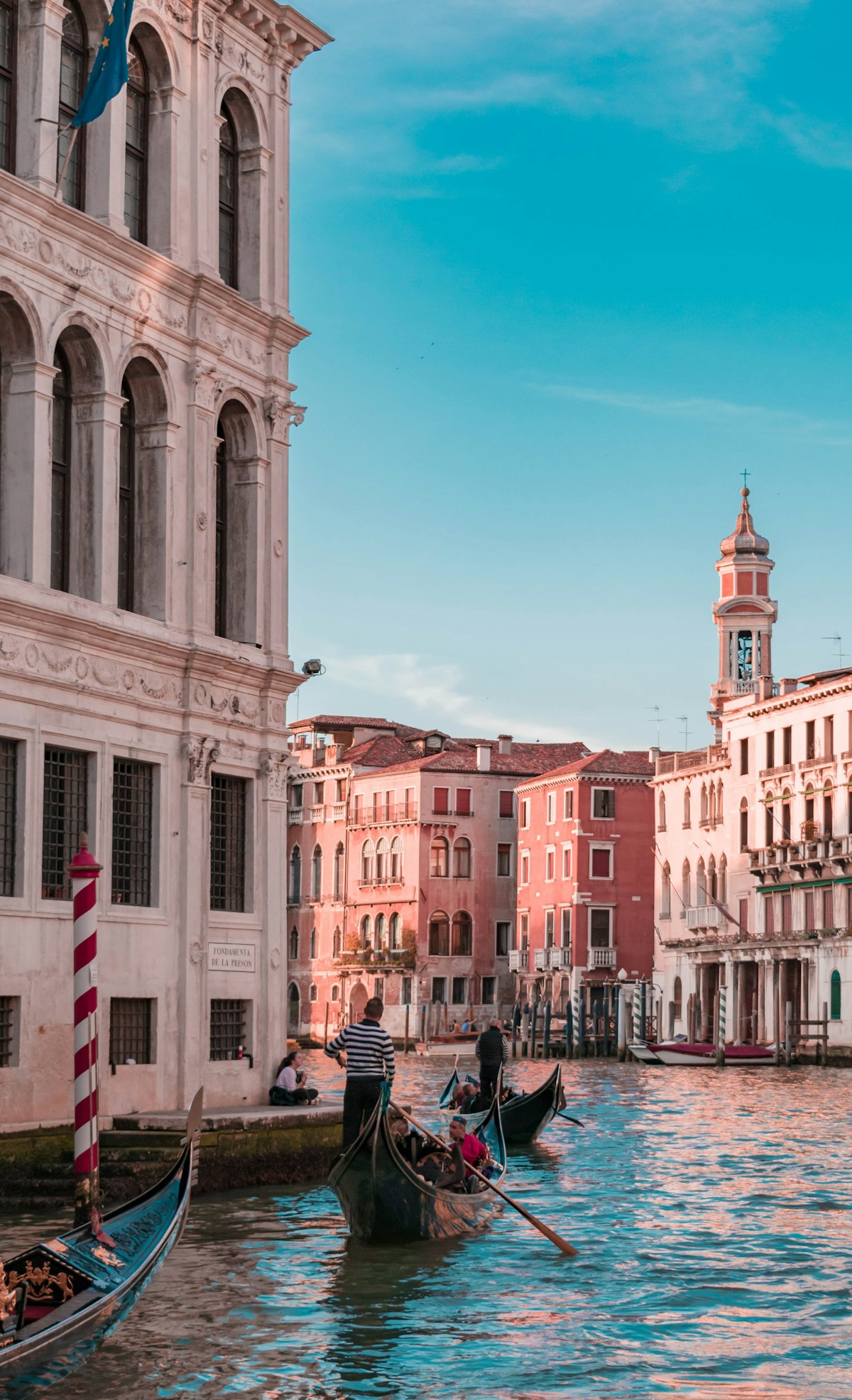
A traditional gondola ride is 30 minutes for a flat rate of €80–100 (daytime, up to 6 passengers), rising to €120+ in the evening. The price is for the boat, not per person. Negotiate before boarding, and agree on the route. Avoid gondoliers who offer "shorter tours" at the same price.
Where to Stay
Cannaregio (Budget to Mid-range)
The largest sestiere and the one most Venetians actually live in. Its northern reaches — particularly along Fondamenta della Misericordia and Fondamenta degli Ormesini — are where younger Venetians gather for aperitivo at the excellent bacari (wine bars). Good value accommodation is concentrated here.
- Budget: Hostel or B&B: €40–80/night
- Mid-range hotels: €100–200/night
- Recommended areas: Near the Ghetto or Ca' d'Oro vaporetto stop
Dorsoduro (Mid-range to Boutique)
Venice's most liveable sestiere — younger, artier, home to the Accademia gallery and the Peggy Guggenheim Collection. Campo Santa Margherita is the neighbourhood's beating heart: students from Ca' Foscari university mix with locals at café tables all day. Hotel prices are slightly lower than San Marco and the atmosphere is much more genuine.
- Mid-range: €120–220/night
- Boutique options: €200–350/night
San Marco (Upscale)
The central sestiere. Convenient for sightseeing but tourist-heavy, noisy, and significantly more expensive. Worth it if budget is not a concern and you want the grandest hotels.
- 4-star hotels: €250–450/night
- Luxury (Danieli, Gritti Palace): €600–2,000+/night
Staying in Mestre (Budget option)
The mainland town of Mestre is €40–80/night cheaper and has excellent train links (10 minutes to Santa Lucia). It is not atmospheric, but if you are on a tight budget and just sleeping, it works.
Top Attractions
1. St. Mark's Basilica (Basilica di San Marco)
The crown jewel of Venice, built over nine centuries, its golden mosaics covering 8,000 square metres of ceiling. Entry to the main basilica is free, but timed reservations (€2–3) are recommended to skip the queue. The full ticket (Pala d'Oro golden altarpiece + Museum + terrace) costs €20 and is absolutely worth it — the terrace gives you a rare elevated view over the square.
Opening hours: 9:30am–5:15pm (Mon–Sat), 2pm–5pm (Sun)
Book ahead: basilicasanmarco.it
2. Doge's Palace (Palazzo Ducale)
The magnificent pink and white Gothic palace that served as the seat of Venetian government for nearly 1,000 years. The interior is staggering — vast gilded chambers, Tintoretto's enormous "Paradise" (the world's largest oil painting), the Bridge of Sighs. The Secret Itinerary tour takes you through the hidden rooms and prison cells where Casanova was famously held.
Tickets (2026): €30 adults, €15 children (6–14), free under 6
Early bird: €25 if booked 30+ days in advance
Secret Itinerary: ~€48
3. The Rialto Bridge (Ponte di Rialto)
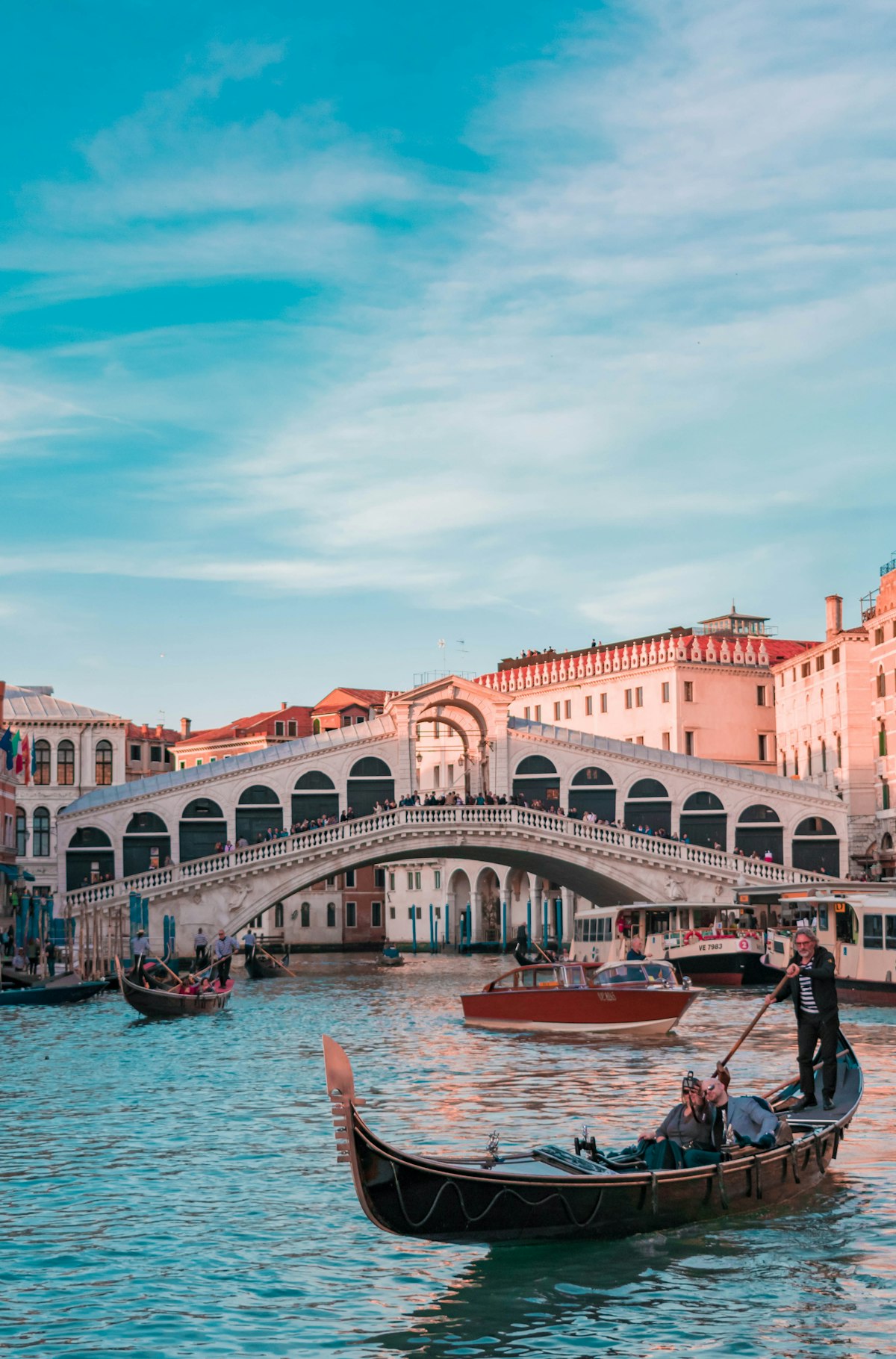
Completed in 1591, the Rialto was Venice's only Grand Canal crossing for 300 years. The bridge itself is free to cross and offers spectacular views of the Grand Canal — especially beautiful at golden hour. The market on the San Polo side (open Tuesday–Saturday, mornings only) is one of the finest in Italy: gorgeous produce stalls followed by the fish market, the Pescheria, where the morning's catch arrives straight from the lagoon.
4. The Accademia Gallery
Venice's finest art museum, spanning eight centuries of Venetian painting from Byzantine icons to Titian, Veronese, and Tintoretto. The Grand Canal view from the wooden Accademia Bridge out front is arguably the most photographed in Venice — and rightly so.
Tickets: €12 adults | Opening hours: 8:15am–7:15pm (Tue–Sun), 8:15am–2pm (Mon)
Tip: Pre-book at gallerieaccademia.it — the queue without a reservation can be 90 minutes.
5. Peggy Guggenheim Collection
The American heiress Peggy Guggenheim spent the last three decades of her life in a low-slung 18th-century palazzo on the Grand Canal. Her personal art collection — Picasso, Dalí, Pollock, Rothko, Magritte and 200 more — is now one of Europe's finest modern art museums. The sculpture garden overlooking the canal is magical in late afternoon light.
Tickets: €16 adults | Opening hours: 10am–6pm (Wed–Mon, closed Tue)
6. The Grand Canal by Vaporetto
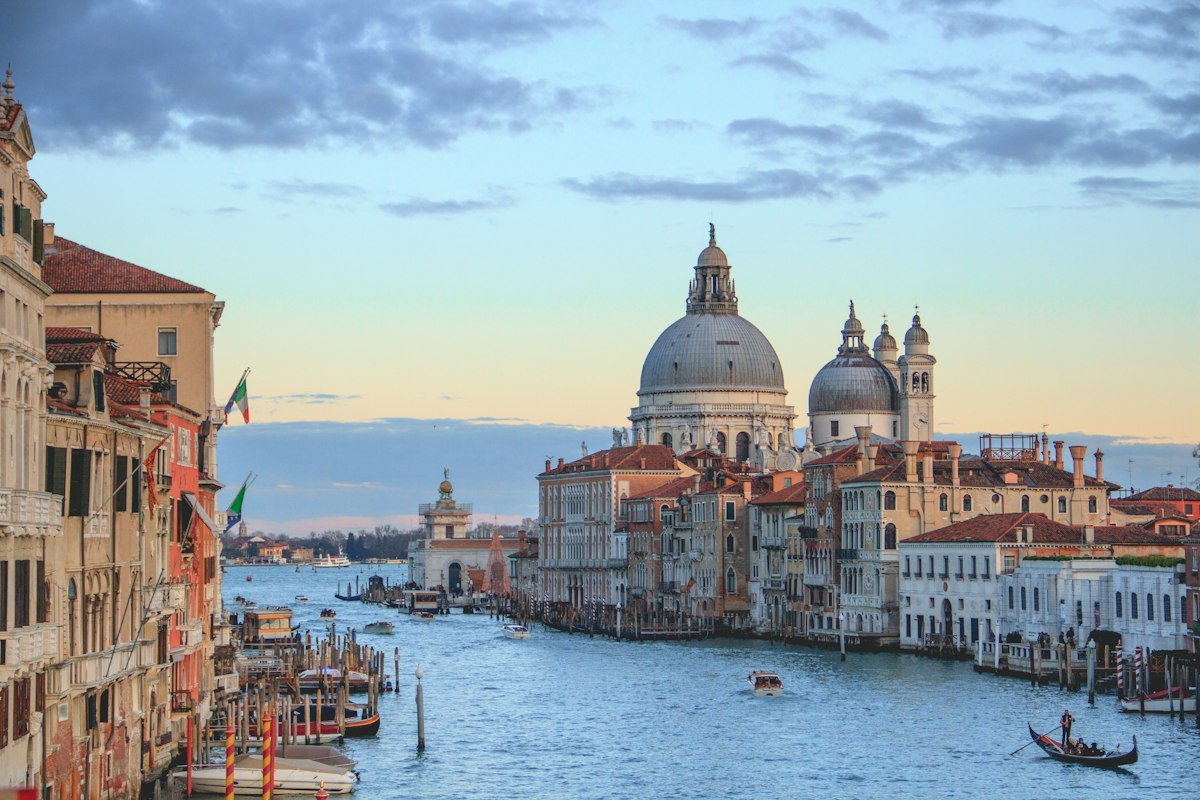
Board Line 1 at Piazzale Roma or the train station at sunset and ride the full length to San Marco. It takes about 40 minutes and costs €9.50 — the world's most beautiful boat journey. You pass 200 palazzi, each one a study in Gothic, Byzantine, or Baroque architecture, their reflections shimmering on the water below.
7. Murano, Burano and Torcello
The outer islands each have a completely different personality:
- Murano (Alilaguna Line 3, 15 min from Fondamente Nove): World-famous for its glass workshops. Watch master glassblowers in action at the furnaces. The Glass Museum is surprisingly engaging.
- Burano (Vaporetto Line 12, 40 min): A candy-coloured fishing village with pastel houses reflected in its canals. Buy the famous lace, eat a bussolà (butter biscuit) ring, and take a million photographs.
- Torcello (from Burano, 5 min): The oldest settlement in the lagoon, now a quiet island of only a dozen permanent residents. Its 7th-century cathedral contains some of the finest Byzantine mosaics outside Ravenna.
Day trip cost: ~€15 vaporetto pass covers all three.
Hidden Gems
Scuola Grande di San Rocco — Tintoretto spent 23 years covering its walls and ceilings with an enormous cycle of biblical paintings. Often described as the Sistine Chapel of Venice. Admission €10 and almost never crowded.
Campo dei Mori, Cannaregio — A tiny, eccentric square with three stone figures embedded in the walls — the "Moors" who once traded here. The nearby house was home to Tintoretto himself.
The Libreria Acqua Alta — A wonderfully chaotic bookshop in Castello where books are piled in gondolas and bathtubs to protect them from flooding. Free to browse and endlessly photogenic.
Fondamenta della Misericordia on a Tuesday evening — This is where real Venetians drink. The bacari stay open late, the bridges fill with people balancing their aperol spritzes, and nobody is trying to sell you a gondola ride.
Squero di San Trovaso, Dorsoduro — One of the last working gondola boatyards in Venice, visible over the canal wall for free. Gondolas are brought in for repair and maintenance — a rare glimpse of a craft that is centuries old.
Where to Eat and Drink
Cicchetti and Bacari (Essential Venice)
A cicchetto is a small snack — a crostino topped with baccalà, a polpetta (meatball), a slice of mortadella — served at bacari (wine bars) for €1–3 each, accompanied by a small glass of prosecco or local wine called an ombra (€1–2). This is how Venetians eat: standing at the bar, grazing on a handful of cicchetti, moving on to the next bacaro. It is the cheapest, most social, and most authentically Venetian way to eat.
Best bacari:
- Osteria alla Vedova (Cannaregio, near Ca' d'Oro): One of Venice's oldest osterie, serving legendary polpette di carne (fried meatballs). No signage, no menu in English, packed with locals. Worth finding.
- Cantinone già Schiavi (Dorsoduro, near Accademia): Outstanding wine selection and some of Venice's best baccalà mantecato (creamed salt cod) on crostini.
- El Sbarlefo (multiple locations): Reliably excellent baccalà and a wine list well above the price point.
Sit-Down Restaurants
Budget (€15–25 per person):
- Osteria l'Orto dei Mori (Cannaregio) — Seasonal Venetian menu, beautifully done. Book ahead.
Mid-range (€35–60 per person):
- Trattoria al Gatto Nero, Burano — Worth the vaporetto trip for the legendary risotto di pesce and lagoon-fresh seafood.
- Osteria Enoteca ai Artisti (Dorsoduro) — Tiny canal-side restaurant with a tasting menu that changes daily.
Fine dining (€80–150+ per person):
- Antiche Carampane (San Polo) — No tourists near San Marco; legendary spaghetti alle vongole and fritto misto di mare. Book 2–3 weeks ahead.
- Alle Corone (Castello) — Meticulous modern Venetian cuisine in a beautiful palazzo setting.
What to Order
- Sarde in saor — Sweet-and-sour sardines with pine nuts and raisins. A uniquely Venetian dish.
- Risotto al nero di seppia — Squid ink risotto, dramatically black and deeply flavourful.
- Baccalà mantecato — Whipped salt cod, silky and rich, served on grilled polenta.
- Fegato alla veneziana — Calf's liver with caramelised onions and polenta. A Venetian classic.
- Spritz Aperol — Venice invented this. Order it at any bacaro for €3–5 (not €12 on Piazza San Marco).
Practical Travel Tips
The Venice Day-Tripper Access Fee (2026)
Venice introduced a day-tripper fee that applies on 60 designated days between April and July 2026:
- €5 if booked at least 5 days in advance (online at cda.venezia.it)
- €10 on the day or within 4 days of arrival
- Exempt: overnight guests (your hotel provides a QR exemption code), residents, students, and workers.
The fee is a modest deterrent for day-trippers in peak season. If you stay overnight, you are exempt — another reason to spend at least one night in the city.
Acqua Alta (High Water)
Venice floods regularly in autumn and winter, particularly in October–December. The city's mobile phone alert system sends SMS warnings 2–3 hours before high water. When it comes, raised walkways (passerelle) go up on the main routes. Waterproof boots (boot covers, stivali da acqua alta, €8–12 from any pharmacy) transform flooding from a nuisance to an adventure. The MOSE barrier system, now operational, has significantly reduced severe flooding compared to pre-2020 levels.
Avoiding Tourist Traps
- Never eat on Piazza San Marco — A coffee at one of the square's historic cafés (Florian, Quadri) costs €12–18 with the live music surcharge. Walk two bridges away and pay €2–3 for the same espresso.
- Avoid restaurants with photos on the menu displayed outside near major sights — they cater to tourists with no interest in returning.
- Book basilica and museum tickets in advance — the queues without reservations can be 2+ hours at peak times.
Visa and Entry Requirements (2026)
- EU/EEA citizens: No visa required. National ID card sufficient.
- UK citizens (post-Brexit): Passport required. No visa for stays under 90 days. ETIAS (European Travel Information and Authorization System) is expected to launch in 2026 — check the latest status before travel.
- Indian citizens: Schengen visa required. Apply at the Italian Embassy/VFS at least 4–6 weeks in advance.
- US/Australian/Canadian citizens: No visa for stays under 90 days within any 180-day period.
Currency and Payments
Italy uses the Euro (€). Credit and debit cards are accepted almost everywhere, but carry €20–30 in cash for bacari, markets, and small shops. ATMs are plentiful (but avoid the private "Euronet" machines that charge high fees — use a bank ATM). Tipping is not expected in Italy — rounding up or leaving 10% at a sit-down restaurant for good service is appreciated but optional.
Language
Italian is the official language. In tourist areas, English is widely spoken. In local bacari and neighbourhood shops in Cannaregio or Dorsoduro, a few words of Italian go a very long way:
- Un ombra, per favore — A glass of wine, please
- Un cicchetto, per favore — A snack, please
- Il conto, per favore — The bill, please
- Quanto costa? — How much does it cost?
Sample 3-Day Itinerary
Day 1: The Grand Canal and San Marco
- Morning: Arrive, check in. Walk to St. Mark's Basilica (pre-booked) and spend 90 minutes inside including the golden altar and terrace. Coffee at a café on a side street (never on the piazza itself).
- Afternoon: Doge's Palace — 2–3 hours minimum. Walk across the Bridge of Sighs.
- Late afternoon: Line 1 vaporetto from San Marco to the train station — the full Grand Canal at golden hour.
- Evening: Cicchetti crawl on Fondamenta degli Ormesini in Cannaregio.
Day 2: Dorsoduro and the Islands
- Morning: Peggy Guggenheim Collection (10am–1pm). Lunch at Osteria al Squero (cicchetti in the sun opposite the gondola yard).
- Afternoon: Accademia Gallery (pre-booked, 2 hours).
- Late afternoon: Walk the Zattere waterfront promenade — the widest canal in Venice, boats going by, gelato in hand.
- Evening: Dinner at Osteria l'Orto dei Mori in Cannaregio. Book ahead.
Day 3: Rialto, Murano, and San Polo
- Morning: Rialto fish and produce market (opens 7am, best before 10am). Browse, buy, watch.
- Mid-morning: Vaporetto to Murano — watch a glass-blowing demonstration, visit the Glass Museum.
- Afternoon: Return to Venice, walk to Scuola Grande di San Rocco (a genuinely moving experience). Explore the San Polo neighbourhood's quiet calli and small campi.
- Evening: Final cicchetti at Cantinone già Schiavi in Dorsoduro, overlooking the canal at dusk.
Budget Breakdown (per person, per day — 2026)
| Category | Budget | Mid-range | Comfort |
|---|---|---|---|
| Accommodation | €40–70 (hostel/Cannaregio B&B) | €100–200 (Dorsoduro hotel) | €250–450 (San Marco 4-star) |
| Food | €25–35 (cicchetti + one sit-down) | €50–70 (two proper meals) | €100–150 (fine dining) |
| Transport | €9.50 (single vaporetto) or €25 (24h pass) | €35 (48h pass) | €45–65 (72h or 7-day pass) |
| Attractions | €20–40 (Doge's + one museum) | €50–70 (Doge's + Accademia + Guggenheim) | €80–120 (all attractions + Secret Itinerary) |
| Total | €95–130 | €185–295 | €375–635 |
Note: Venice costs roughly 20–30% more than Rome or Florence for equivalent experiences.
Final Thoughts
Venice is one of those cities that feels like it shouldn't exist — a defiant act of human will against geography, a city that has been flooded, burnt, invaded and reinvented countless times and somehow remains more beautiful for it. Its power to astonish never quite leaves you, even on a second or third visit.
The key to getting the most from it is simple: walk. Put the map away for an afternoon. Follow a narrow calle wherever it leads. Get completely lost between Cannaregio and Castello. The city will reveal itself — a forgotten campo, a crumbling Gothic window, a canal so quiet and still that the reflections look more real than the buildings above them.
Book early, stay at least two nights, eat wherever locals eat, and leave the famous square behind after the obligatory visit. The real Venice is waiting just around the next corner.
Have a wonderful trip — buon viaggio!