Amsterdam, Netherlands: The Complete Travel Guide 2026
Why Amsterdam?
There are cities you visit and cities that inhabit you long after you leave. Amsterdam is firmly in the second category. Imagine cycling along a canal lined with 17th-century gabled townhouses, pausing for a stroopwafel and a black coffee, then spending an hour face-to-face with a Rembrandt self-portrait that has survived four centuries. All of this before noon.
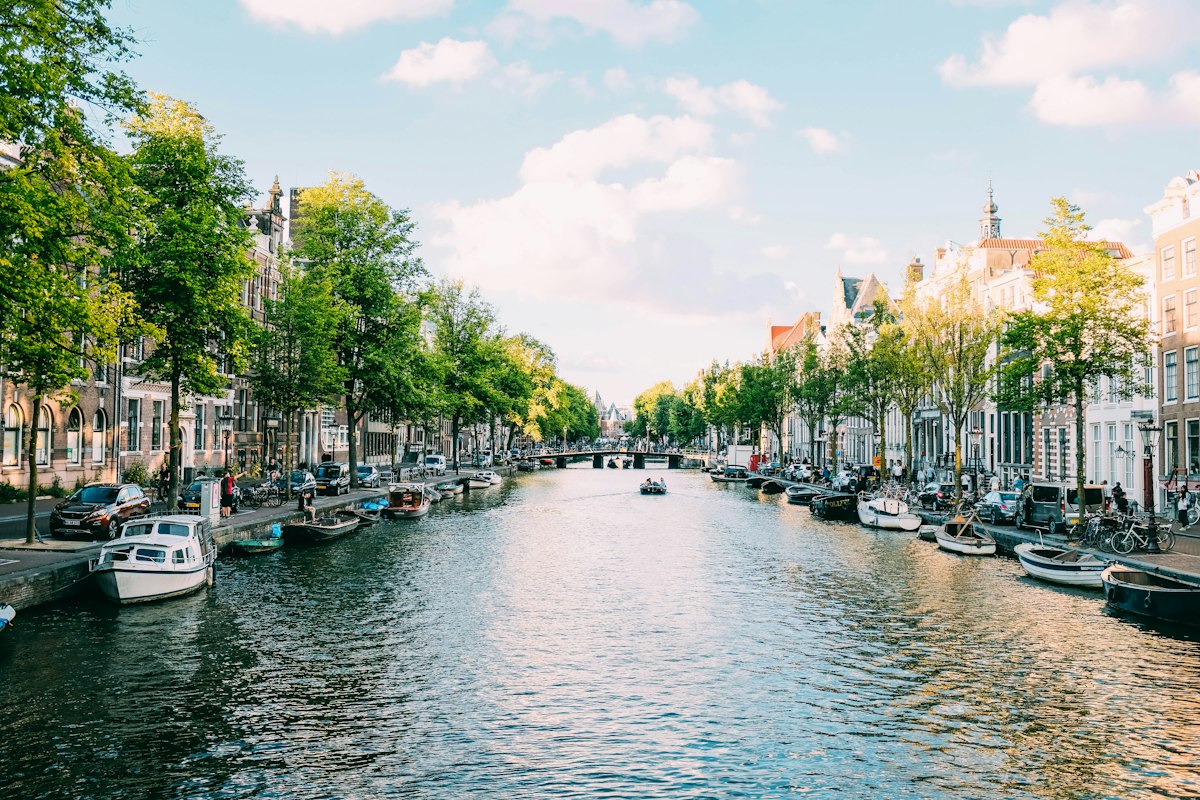
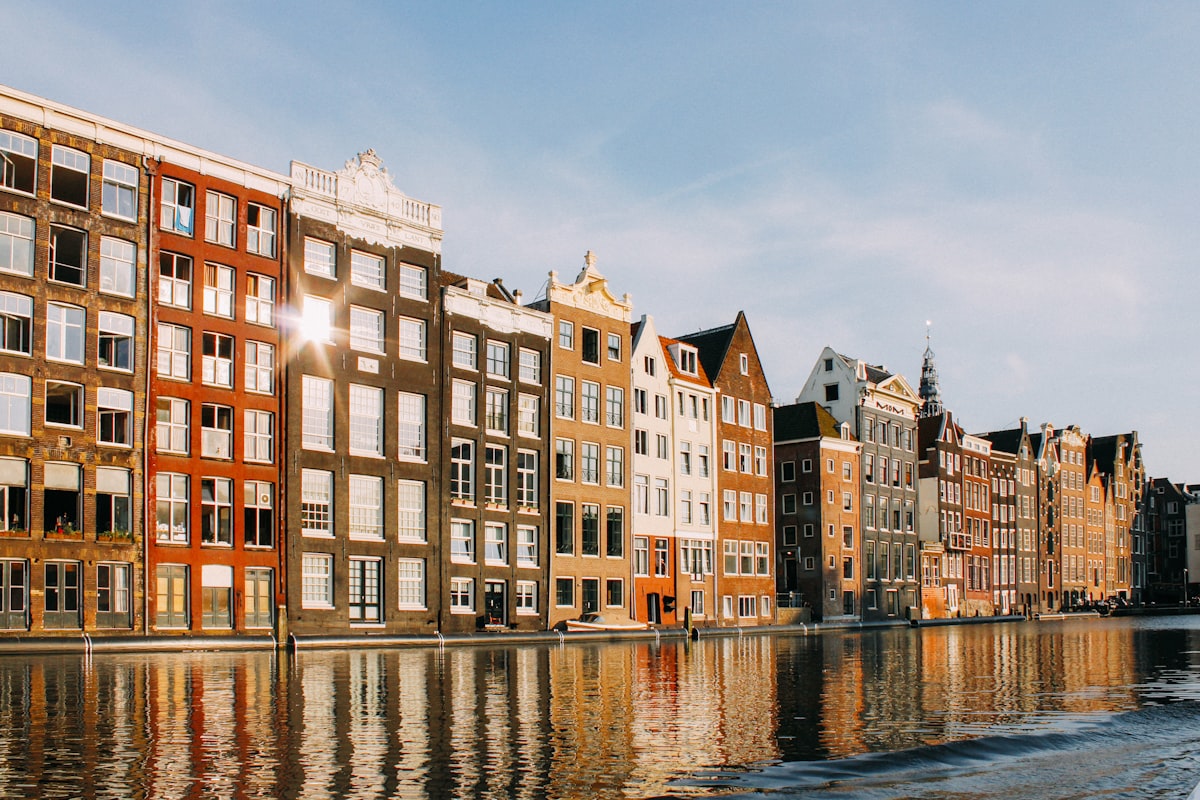
Amsterdam is simultaneously a world-class museum city, a cycling utopia, a culinary melting pot, and one of the most liveable urban environments on the planet. Its UNESCO-listed canal ring — the Grachtengordel — was engineered in a single burst of ambition between 1610 and 1625 and remains one of humanity's greatest achievements in urban planning. More than 1,200 bridges connect 165 canals; the whole thing fits within a 45-minute walk from one edge to the other.
This guide covers everything you need: what to see, where to sleep, how to get around, what to eat, and how to budget for a 2026 visit.
When to Visit
April – May is the golden window. The tulip fields around the city are in full bloom, Keukenhof Gardens (open March 19–May 10, 2026) draws visitors from around the world, temperatures are mild (12–18°C), and the city is busy but not overwhelmed. Book accommodation 4–6 months in advance for this period.
June – August is peak summer: warm (20–25°C), long days, terraces packed. Expect hotel rates of €180–350 per night and queues at every major attraction. Book Anne Frank House tickets months ahead — they sell out weeks in advance in summer.
September – October is arguably the best kept secret: crowds thin, hotel prices drop to €120–220, the canals glow amber under autumn light, and the weather remains genuinely pleasant (14–18°C).
November – March is quiet, cold (2–8°C), and dramatically cheaper. Mid-range hotels drop to €80–150 per night. The museums are less crowded, the city feels more local, and the Christmas markets (late November – January) add a festive layer.
Getting There
By Air
Schiphol Airport (AMS) is one of Europe's best-connected hubs, 15 km southwest of the city centre. Direct flights connect Amsterdam to virtually every major city in the world.Airport to City Centre: NS (Dutch Railways) trains run every 10–15 minutes from Schiphol directly to Amsterdam Centraal. The journey takes 15–20 minutes and costs €5.40 (OV-chipkaart, 2026 fare). It is the fastest and cheapest option — skip the expensive airport taxis unless you have heavy luggage.
By Train (Eurostar / Thalys)
London to Amsterdam via Eurostar takes 3h 52min (change at Brussels). Paris to Amsterdam takes 3h 20min on Thalys. Both arrive at Amsterdam Centraal, right in the heart of the city.By Car
Driving into Amsterdam is not recommended. Parking costs €7.50–€10/hour in the centre, tolls apply on some routes, and you will spend more time looking for a spot than exploring. Use a Park & Ride facility on the city edge (€1–5/day including transit) instead.Getting Around
Cycling
Amsterdam was built for bikes, and cycling is the fastest, cheapest, and most local way to move around. Bike rentals cost €10–15/day from shops near Centraal Station. Stick to designated bike lanes (the red asphalt strips) and never cycle on pedestrian paths. Lock your bike — always — with a solid D-lock through the frame and a wheel lock on the rear.Public Transit (GVB)
The GVB network covers trams, metro, and buses. A single-journey ticket costs €1.08 with an OV-chipkaart (the rechargeable national travel card), or €4 for a paper single. A 24-hour unlimited pass costs €9, 48-hour €15, 72-hour €19.50. Buy the OV-chipkaart from the airport or any train station.The I Amsterdam City Card (€65 for 24h / €80 for 48h / €95 for 72h) includes unlimited GVB transport plus free or discounted entry to 70+ museums. Worth the maths check: if you plan to visit Rijksmuseum (€22.50), Van Gogh Museum (€22), and Anne Frank House (€16) over 3 days plus use transit, the 72-hour card saves roughly €15 and removes ticketing friction entirely.
Canal Boats and Ferries
GVB ferry boats cross the IJ river from Centraal Station to Amsterdam Noord — and they are free. The crossing to NDSM Wharf takes 15 minutes. For sightseeing, canal cruise boats leave from multiple piers near the Rijksmuseum and Leidseplein, with tickets ranging from €16–25 per adult for a 1-hour cruise.Where to Stay
Jordaan / Canal Ring (Most Desirable, Most Expensive)
Boutique canal-house hotels in Jordaan charge €180–400/night. The neighbourhood is quiet, beautiful, and central. Look for independent boutique hotels on Prinsengracht and Keizersgracht for more character than chain hotels.De Pijp (Vibrant, Good Value)
South of the Rijksmuseum, De Pijp is the city's most energetic neighbourhood — Albert Cuyp Market, excellent restaurants, and a young local crowd. Mid-range hotels here run €100–180/night. Good base for museum-focused visits.Amsterdam Oost / East
Slightly further out, quieter, and cheaper (€80–140/night). Well-connected by tram and metro. Popular with repeat visitors who want a less tourist-heavy experience.Budget Options
Stayokay Amsterdam Vondelpark (hostel dorm from €35) and ClinkNOORD across the IJ (from €28/dorm) are reliably clean and well-located. Airbnb short-term rentals require a permit since 2023 — verify the listing has a registration number or you risk eviction mid-stay.Top Attractions
1. Rijksmuseum
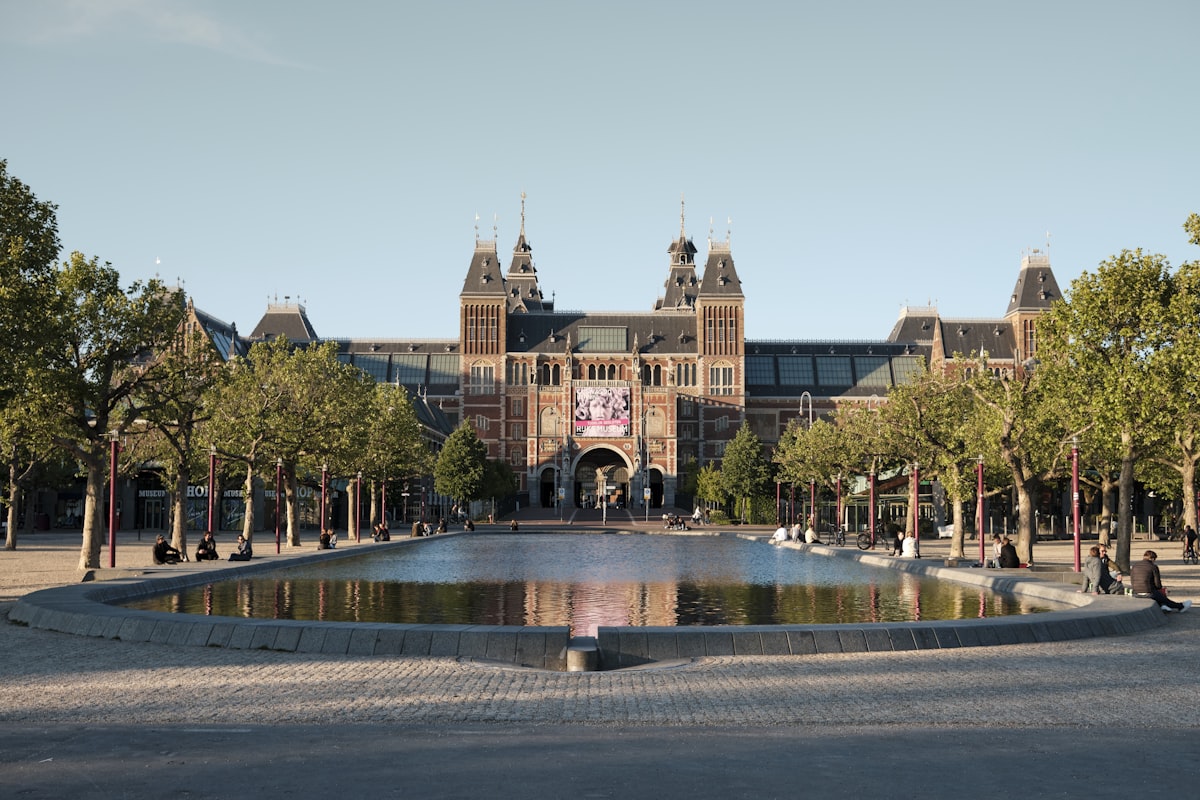
The national museum of the Netherlands is, simply put, one of the finest art museums on earth. The Gallery of Honor — a 250-metre long vaulted hall — displays the greatest hits of the Dutch Golden Age: Rembrandt's The Night Watch (Rembrandt's largest canvas and a technical marvel of theatrical light), Vermeer's The Milkmaid, and Hendrick Avercamp's winter skating scenes. Budget a minimum of three hours; art lovers could spend a full day.
Tickets: €22.50 adults, free under 18. Pre-book online — the queue for walk-ins can be 45 minutes in summer.
Hours: Daily 9:00–17:00.
2. Van Gogh Museum
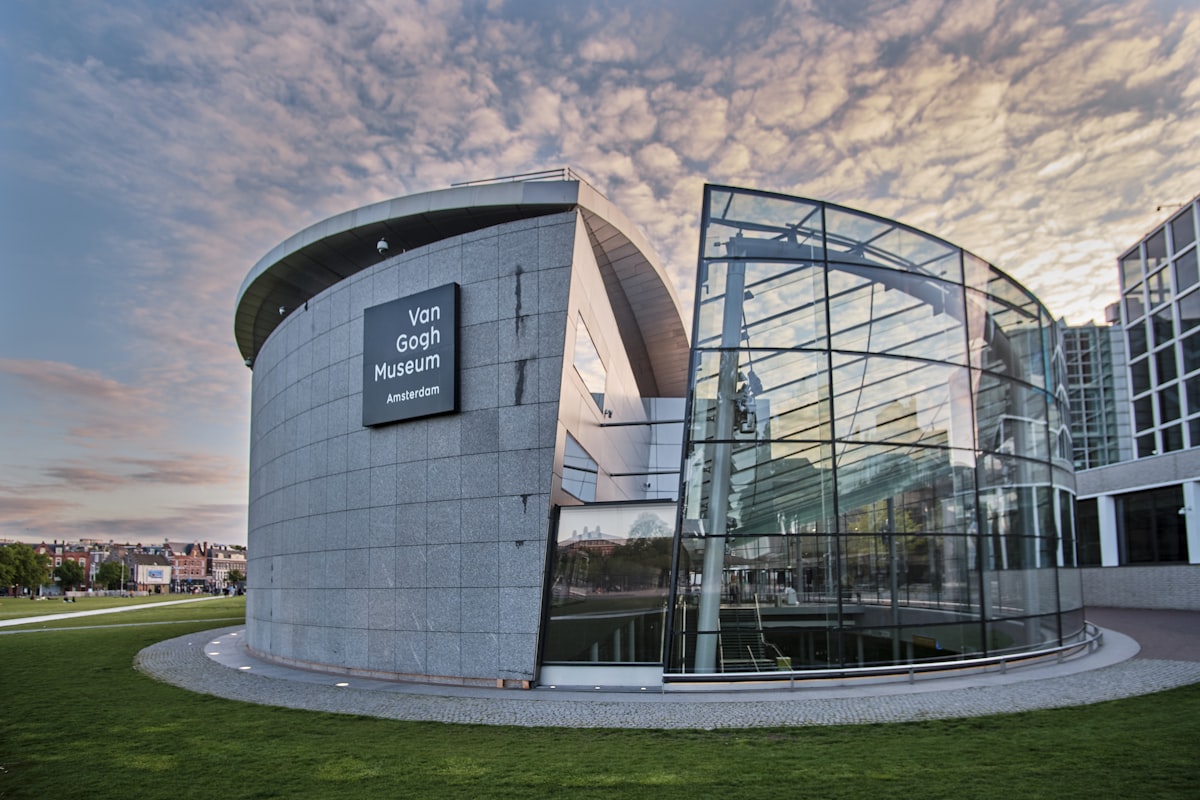
With 200 paintings and 500 drawings spanning Vincent van Gogh's entire career, this is the world's largest Van Gogh collection — and it is displayed with exceptional sensitivity to the artist's biography. The chronological layout lets you trace the transformation from the dark, earthy tones of his Dutch period to the electric yellows and blues of Arles. The Bedroom, Almond Blossom, and Wheatfield with Crows are here.
Tickets: €22 adults, timed-entry only — book weeks ahead in peak season.
Hours: Daily 9:00–17:00 (until 18:00 Fri–Sun in summer).
3. Anne Frank House
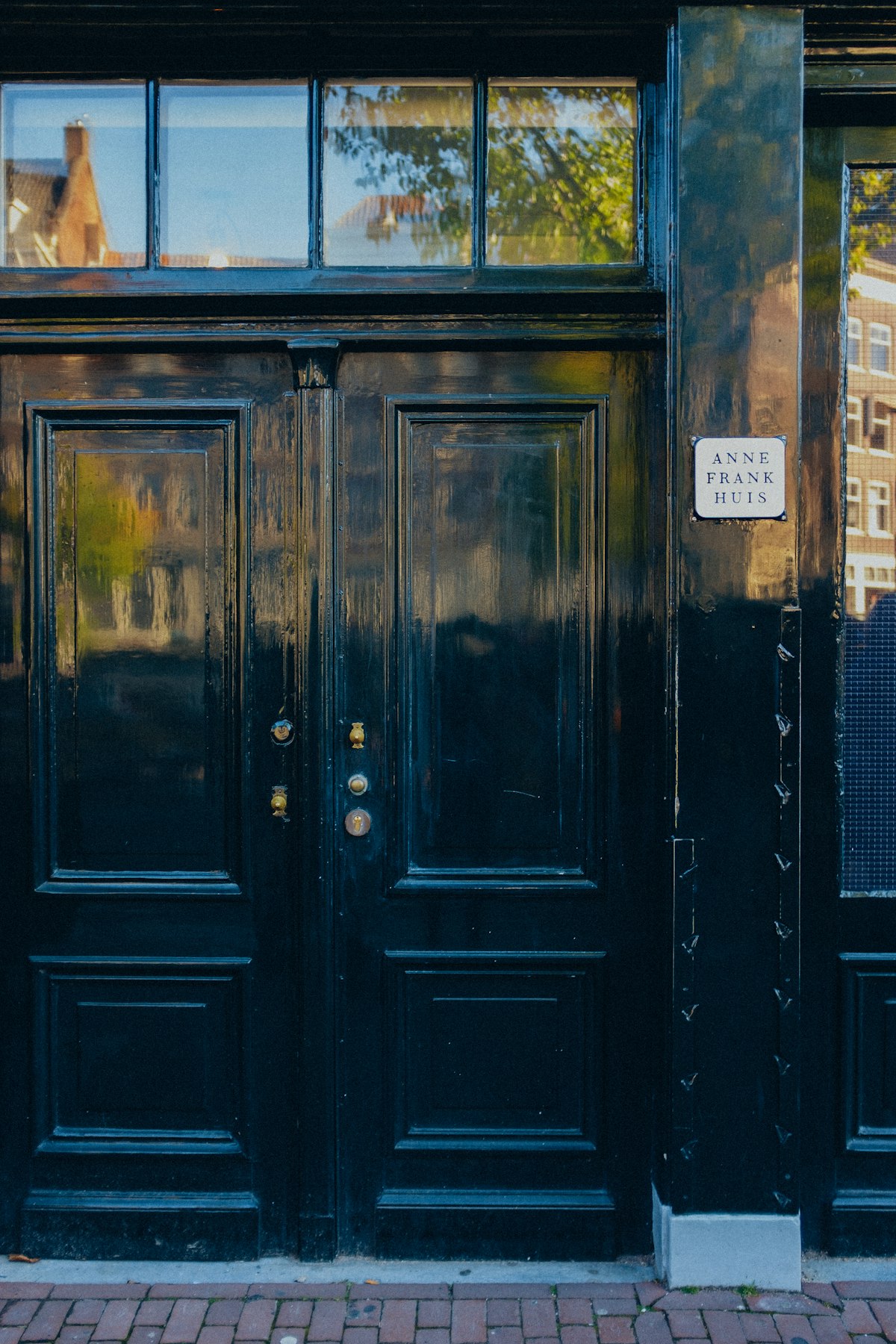
One of the most affecting historical sites in Europe. Behind an ordinary-looking canal house at Prinsengracht 263, a hidden annex sheltered Anne Frank, her family, and four others for 25 months during the Nazi occupation. The house is preserved almost exactly as it was in 1944. The rooms are deliberately empty — all furniture was taken when the family was arrested — making the space feel both intimate and haunting. Allow 90 minutes.
Tickets: €16 adults. Online only — the museum sells out weeks in advance in summer, often months ahead in peak season. The museum is deliberately underpublicised so as not to trivialise the history; arrive on time for your slot.
Hours: Daily 9:00–22:00.
4. The Jordaan
Not a museum or monument — the Jordaan is a neighbourhood, and it rewards aimless wandering more than any checklist. Narrow streets, flower-draped houseboats, independent galleries, vintage clothing shops, and the Noordermarkt (Saturday organic market, 9:00–15:00). The Saturday antiques market at Looier is a local institution. Catch live jazz at Café Alto on Korte Leidsedwarsstraat in the evening.
5. Canal Cruise
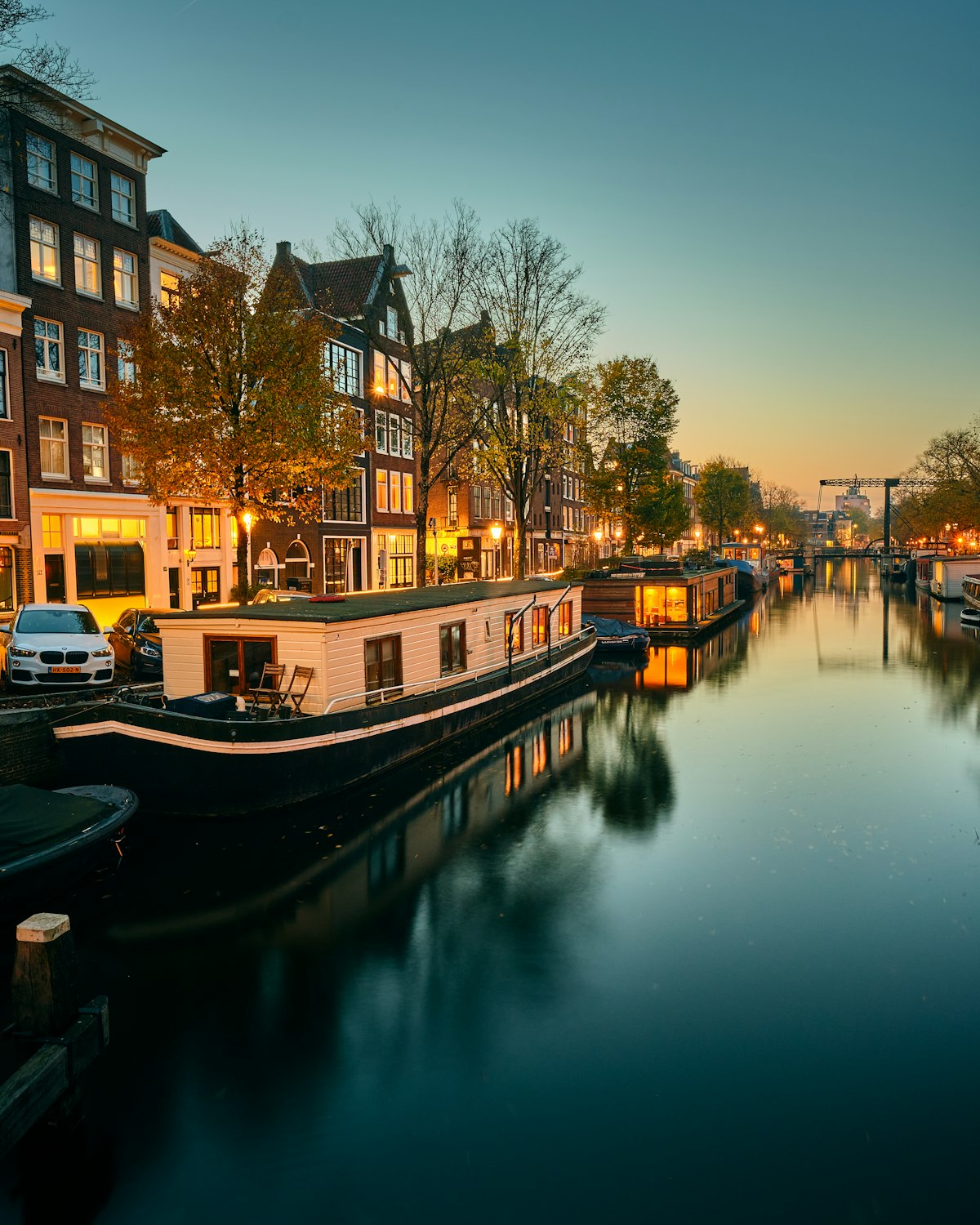
Seeing Amsterdam from the water is not optional — it is essential. The city was designed to be approached by boat; the façades of the canal houses are their public faces, and they are magnificent from the water. Take a 1-hour evening cruise when the house lights reflect on the canals. Blue Boat Company and Stromma run reliable cruises; alternatively, rent a small electric boat (no licence required) from Mokumboot (€30–55/hour) and captain your own route.
6. Vondelpark
Amsterdam's version of Central Park — 47 hectares of greenery where locals jog, cycle, picnic, and lounge. Free entry. The park has an open-air theatre (free performances June–August), several cafés, and a beautiful rose garden. On sunny afternoons it feels like the entire city has moved outside.
Hidden Gems
Amsterdam Noord — the city's creative frontier
Cross the IJ river on the free GVB ferry (leaves from behind Centraal Station every 15 minutes) and you step into a completely different Amsterdam. The NDSM Wharf — a former shipyard — is now Europe's largest covered street-art venue. The STRAAT Museum inside (€18, Tue–Sun) houses 150 murals commissioned from 80 international artists. Next door, Pllek is a beach bar and restaurant built from recycled shipping containers with a sun terrace overlooking the river — summer evenings here are magical.
Begijnhof
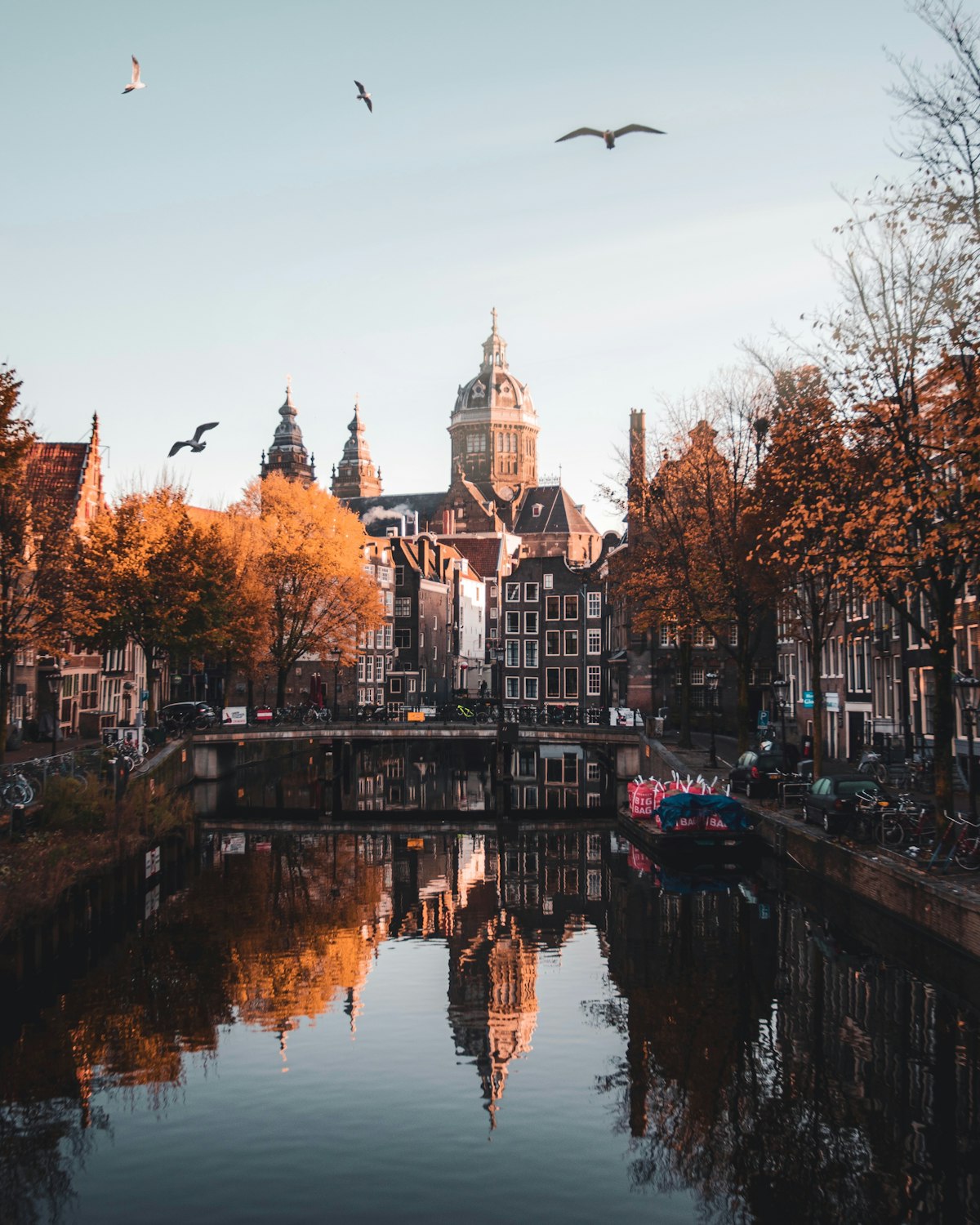
A hidden courtyard tucked between the Spui and Kalverstraat shopping street — a former religious beguinage dating to the 14th century. Push open the unassuming wooden door and you find yourself in a grass courtyard surrounded by 14th–17th century houses, including the oldest surviving wooden house in Amsterdam. Completely free. Most tourists walk past it. Open daily 9:00–17:00.
Hortus Botanicus
One of the world's oldest botanical gardens (1638), tucked behind the Waterlooplein flea market. A 350-year-old Eastern Cape cycad — brought back by the Dutch East India Company — is the star exhibit. Tickets €11.50. Quieter than any major museum.
Albert Cuyp Market
The longest market in the Netherlands stretches nearly a kilometre along Albert Cuypstraat in De Pijp. Open Monday–Saturday 9:30–17:00. Buy raw herring with raw onion and gherkins (a Dutch institution — ask for it "met uitjes") for €3, pick up fresh stroopwafels for €1.50 from the stall that makes them to order, and browse everything from secondhand books to hardware and spices.
Where to Eat & Drink
Dutch food you should try
- Herring (haring) — raw, salt-cured, served with onion and gherkin. The classic way to eat it is tipping your head back and lowering the whole fillet in. From street carts: €3–4.
- Stroopwafel — two thin waffles sandwiched with syrup caramel. Order from the stall at Albert Cuyp where they press them fresh: €1.50.
- Bitterballen — crispy golden balls of slow-cooked beef ragout with mustard. Ubiquitous pub snack: €5–8 for a portion.
- Poffertjes — miniature fluffy pancakes served with powdered sugar and butter: €5–7.
- Jenever (genever) — Dutch gin, the ancestor of London dry gin. Try it at an old-fashioned proeflokaal (tasting room) like De Drie Fleschjes near Dam Square.
Budget (under €15/head)
FEBO — Amsterdam's guilty pleasure: coin-operated automat snack wall. Insert €2, retrieve a warm frikandel (deep-fried meat snack). Available 24/7 across the city.
Vleminckx — Legendary queue-out-the-door Belgian fries on Voetboogstraat. Thick-cut, double-fried, served in a paper cone with your choice of 30 sauces. €3.50. Cash only. Worth every minute of the queue.
Broodje Bert — Sandwiches done right, near the Noordermarkt. €5–8.
Mid-range (€20–40/head)
Café de Jaren — Grand Café overlooking the Amstel, excellent Dutch brasserie lunch and dinner. The terrace is one of the best people-watching spots in the city.
Envy — Mediterranean tapas on Prinsengracht, beloved by locals. Book ahead on weekends.
Restaurant As — housed in a 19th-century greenhouse near Vondelpark, one of the most beautiful dining rooms in the city. Market-driven menu, €35–50/head.
Fine Dining (€60+)
Rijks — The Rijksmuseum restaurant, open for lunch and dinner, sources ingredients from Dutch suppliers and pairs them with the museum's collection as narrative inspiration. Two Michelin stars. Book 6–8 weeks ahead.
Ron Gastrobar — Ron Blaauw's €55-per-head gastrobar concept democratised fine dining without sacrificing quality. One Michelin star.
Coffee Culture
The Dutch are serious about coffee. Skip Starbucks and head to Screaming Beans (Hartenstraat, Jordaan), Bocca Coffee (Keizersgracht), or White Label Coffee near the Westergasfabriek. Flat white or pourover, €4–5.
Practical Travel Tips
Tipping: Not mandatory in the Netherlands but appreciated — rounding up the bill or leaving 5–10% for good restaurant service is standard. For cafés and bar drinks, no tip expected.
Language: Dutch is the official language but English is spoken almost universally in Amsterdam — you will rarely need to reach for a translation app. Learning a handful of Dutch phrases ("dank je wel" = thank you, "alsjeblieft" = please, "proost" = cheers) earns you instant warmth from locals.
Currency: Euro (€). Contactless card payment accepted almost everywhere, including market stalls. ATMs are plentiful but some charge fees — look for Geldmaat machines (the Dutch banking consortium's fee-free ATMs) rather than private airport ATMs.
Safety: Amsterdam is very safe by European standards. The main nuisance is bike theft (always use two locks) and pickpockets in the Red Light District and around Centraal Station.
Cannabis laws: Cannabis is decriminalised — coffeeshops can sell up to 5g per person per day. However, it is illegal to smoke in public spaces outside licensed coffeeshops, and police will issue €100 fines. The 2024 "cannabis tourist" ban in some Netherlands cities has not been implemented in Amsterdam as of 2026, but check the latest rules before your visit.
Schiphol Tip: Allow extra time at Schiphol — it is one of Europe's busiest airports and security queues can be 45–60 minutes in summer. Arrive 3 hours before international departures.
Sample 3-Day Itinerary
Day 1 — Canal Belt and Golden Age Art
- Morning: Walk from Centraal Station through the Jordaan to the Rijksmuseum (9:00 open). Allow 3 hours.
- Lunch: Picnic on Museumplein with supplies from Albert Heijn (supermarket, €6–8) — or grab poffertjes from the market stall outside the museum.
- Afternoon: Van Gogh Museum (pre-booked ticket, timed entry). 2–2.5 hours.
- Evening: Wander Leidseplein, dinner at Café de Jaren, nightcap at Paradiso (live music venue, daily programmes).
Day 2 — History, Hidden Courtyards, and De Pijp
- Morning: Anne Frank House (pre-book! timed slot 9:00–11:00). Then explore the Jordaan: Noordermarkt Saturday antiques market, wander Prinsengracht.
- Lunch: Bitterballen and a jenever at Proeflokaal A. van Wees (tasting room, Drieharingstraat).
- Afternoon: Begijnhof (free, 10 minutes). Walk south to De Pijp — browse Albert Cuyp Market. Late afternoon: Hortus Botanicus (€11.50).
- Evening: Dinner in De Pijp — try Restaurant Boca's or one of the excellent Indonesian restaurants on Ferdinand Bolstraat. Indonesian food is a legacy of the Dutch colonial era and Amsterdam does it brilliantly.
Day 3 — Amsterdam Noord and Waterfront
- Morning: Free GVB ferry from Centraal to NDSM Wharf (15 min). Visit STRAAT Museum (€18). Coffee at Pllek terrace overlooking the IJ.
- Lunch: Lunch at one of the Noord street food trucks (€8–12).
- Afternoon: Return to the city centre. Canal boat rental from Mokumboot — 2 hours on the water, captain your own route (€55–70 for the boat, shared among 4–8 people).
- Evening: Dinner at Envy (book ahead) or sample your way through the Leidseplein terrace bars.
Budget Breakdown (per person per day)
| Category | Budget (€) | Mid-range (€) | Comfortable (€) |
|---|---|---|---|
| Accommodation | 35–55 | 100–180 | 200–350 |
| Meals | 20–30 | 40–65 | 80–120 |
| Transport (GVB) | 9 | 9 | 15 (canal boat) |
| Museum entry | 0–16 | 22–45 | 45–65 |
| Activities / extras | 0–10 | 10–25 | 25–50 |
| Daily total | 64–120 | 181–324 | 365–600 |
Tourist tax (toeristenbelasting) adds €7–12.50 per person per night depending on accommodation type — budget for this separately.
Practical Facts
| Currency | Euro (€) |
| Visa (EU citizens) | None |
| Visa (UK citizens) | ETIAS required from mid-2026 (€7, online) |
| Visa (Indian citizens) | Schengen visa required |
| Language | Dutch (English widely spoken) |
| Electricity | 230V, Type C/F sockets |
| Tipping | 5–10% in restaurants, optional |
| Emergency | 112 (EU emergency number) |
Final Thoughts
Amsterdam rewards every kind of traveller. If you have three days, you will scratch the surface of its museums and fall in love with the canals. If you have a week, you will find yourself cycling to a neighbourhood market at 8am as if you have lived there for years. The city has a quality that is rare: it is world-famous and genuinely liveable at the same time, and it never quite loses its feeling of intimate surprise — a crooked house, a hidden courtyard, a canal glowing pink at sunset.
Whatever your budget, Amsterdam will give you something to carry home that photographs cannot capture: the specific quality of the light on the water, the quiet creak of houseboats, the easy rhythm of a city that has been cycling and trading and tolerating differences for four hundred years.
Go in September if you can. But honestly, go whenever you can.